Seeking peace, quiet and Kyoto
Overtourism in Japan is becoming increasingly problematic. And finding places without crowds can be challenging. Nevertheless, if you focus on a particular aspect of the destination you wish to visit, then it can be a fulfilling and memorable experience.
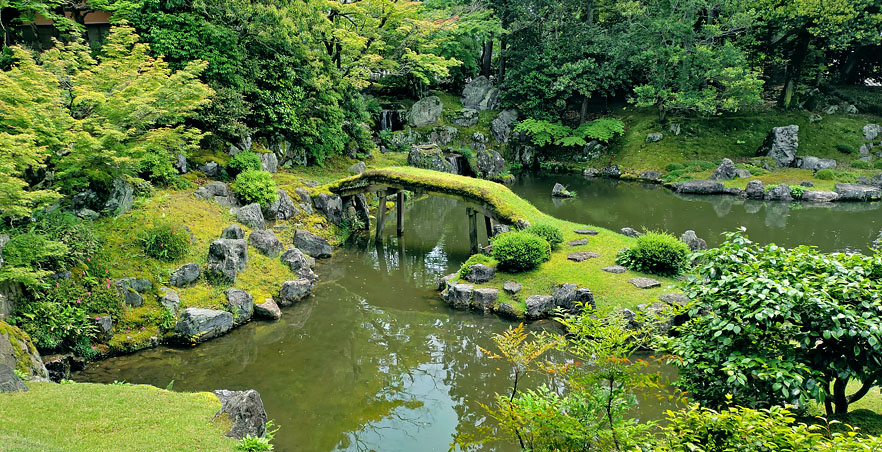
Sanboin Garden, Daig-ji Temple
On my trip to Kyoto, I admit it was impossible to avoid sightseeing some of the top ten ‘must see’ attractions on the tourist circuit. While I succumbed to a few, I had additionally prepared a separate schedule to see some of the extraordinary and almost ‘secret’ places in the city. These are temples and shrines with gardens that most tourists would not visit nor have heard of. And in a city with over 2000 temples and shrines, electing which ones is a daunting task.
Forced to be selective, my itinerary centered around the downtown area of Kyoto, and short bus or train rides away. A majority of travellers do not discover them, partly due to the short time they spend in Kyoto, and having to rush through to cover as many of the popular sites before moving on.
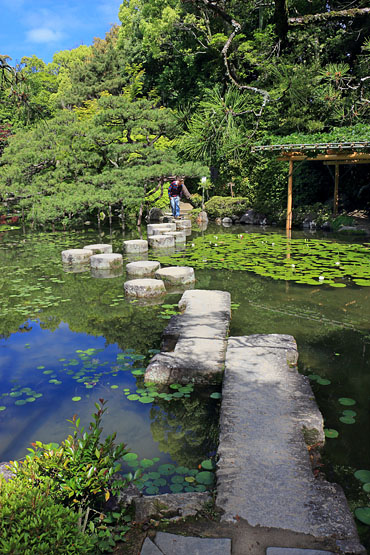
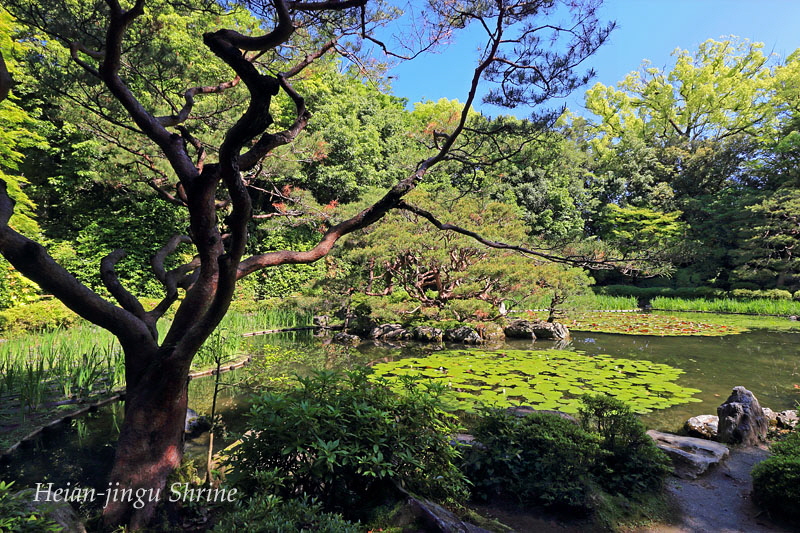
Heian-jingu Shrine, Shin-en Garden
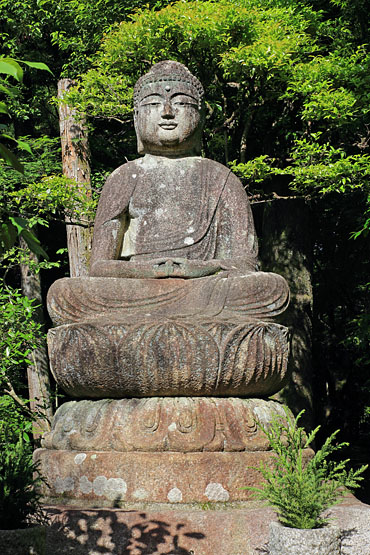
Ryoanji Temple, stone cut Buddha statue
Heian-jingu Shrine, Shin-en Garden
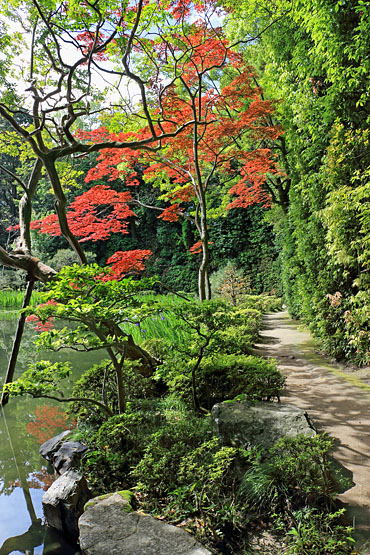
If you, like me, easily get stirred up with an appetite for culture, then being in Kyoto is just the place. Arriving during the popular ‘cherry blossom’ season in April, or autumn in November may be most inviting, but you’ll be overrun by the crowds. Visiting off season as I did in mid-May is definitely preferable. This will also contribute to getting around at your own pace and spending vast amounts of leisurely time in places - and this is no exaggeration. Simply immersing myself in the equanimity and beauty of these religious sites was how I spent two of the three weeks of my stay.
To appreciate Japan’s ancient traditions, aesthetics and spiritual philosophy, I found it useful to research and grasp a few basics - like the construction of temples and shrine gardens, meticulous designs, symbolism and purpose. And I accept it’s rather intricate. While somewhat tedious to absorb too much, I resigned, that simply being there was enough to be impressed and thus contemplate and enjoy. What is also stirring is, that these ancient temples, some dating as far back as the 13th century, have not been allowed to dilapidate, instead lovingly cared for and maintained.
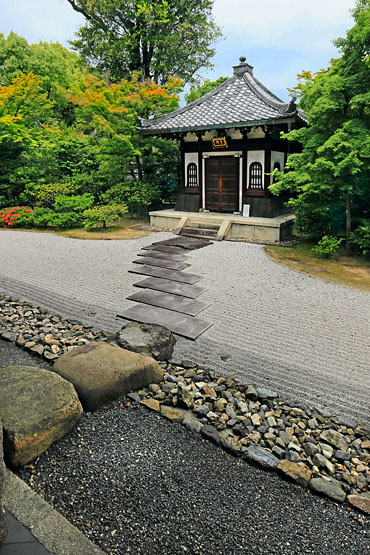
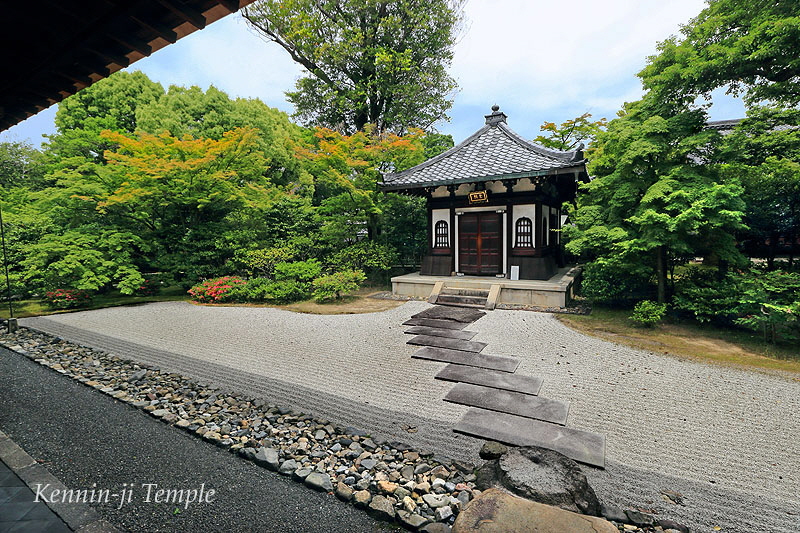
Kennin-ji Temple, Daiouen (Dry Garden)
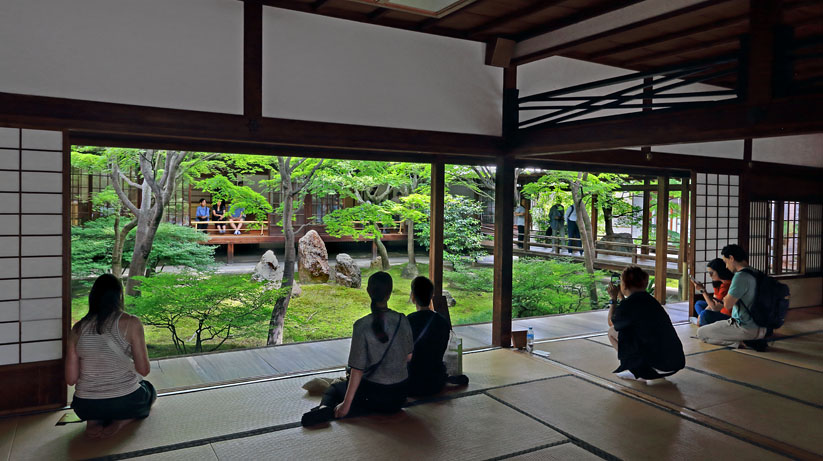
Kennin-ji Temple, Choon Garden (Cho-on tei Garden)
I also found a few words in the descriptions that helped me appreciate and understand the exquisite scenes of what I was to encounter. First, is the difference between a temple and a shrine. A temple is purely Buddhist. A Shinto shrine is derived from the indigenous religion of Japan and is composed of multiple faiths. It is a place of worship of nature where the Kami (deity) can be animals, objects, rocks, trees, mountains, spirits and more.
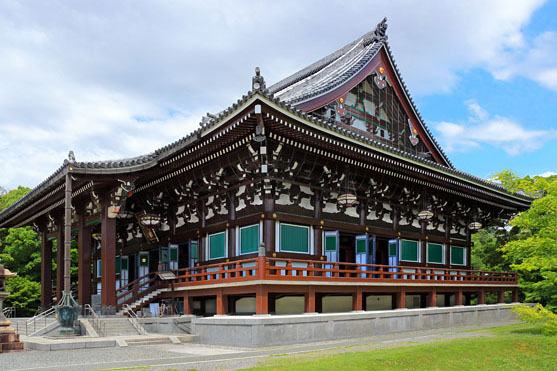
Hondo - main hall of worship at a temple
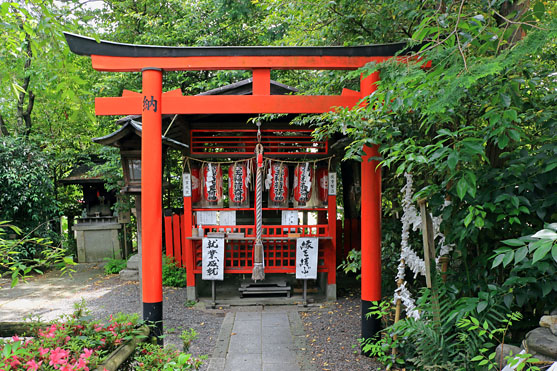
Torii Gate - entrance to a shrine
Is it equally beneficial to recognize some of the descriptions of various buildings and what they are for, such as:
Hondo - the main hall of worship at a Buddhist temple.
Hojo - monks’ living quarters at a temple
Torii - Japanese gate marking the entrance of a Shinto shrine
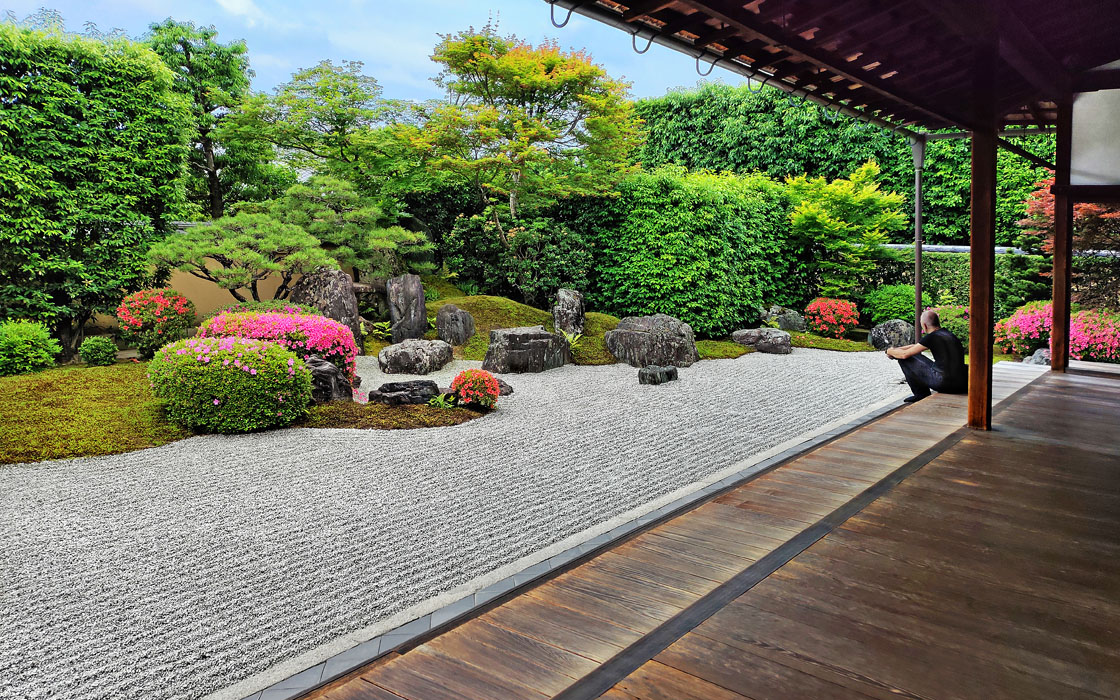
Kyoto’s temples and shrine gardens are diverse in their styles and symbolism. One of the most popular is the Zen Garden, also referred to as a Rock or Dry Garden. Gravel or sand is raked, with rocks placed to create a miniature landscape. The placement and design has significance and is an impeccable craft practiced for centuries.
Stroll Gardens are as the name implies. Some temples and shrines embody the natural landscape of their location by creating paths for leisurely walks. Others are Pond Gardens and Moss Gardens. Then there are Tea Gardens, designed specifically to include pavilions that house traditional tea ceremonies - another ancient tradition.
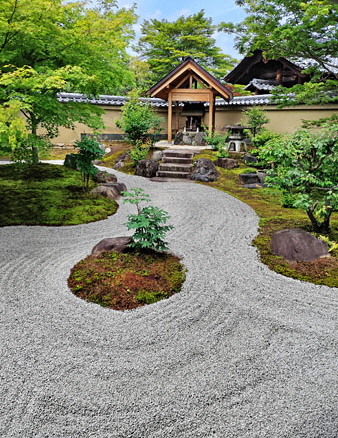
The art of Japanese gardens and its key elements
Japanese gardens are characterised by various important elements. The concept is to portray peace, purity and harmony with nature. It may not be possible for the visitor to comprehend every aspect of it. Yet, recognising some of these elements will certainly enhance your experience and appreciate its significance.
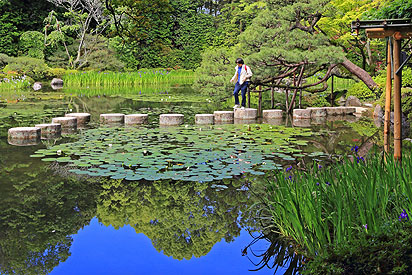
Water
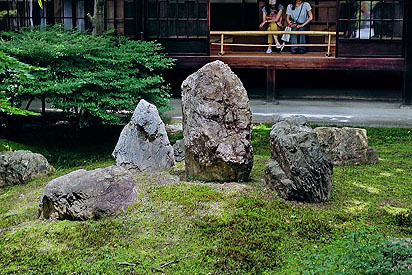
Rocks
1. Water: small streams, waterfalls and ponds are symbols of life and its virtue. They are often designed to include wooden or stone bridges.
2. Rocks and large stones: these represent mountains and hills and symbolise the force of nature and strength. Stepping stones are also placed in walkways and for crossing ponds.
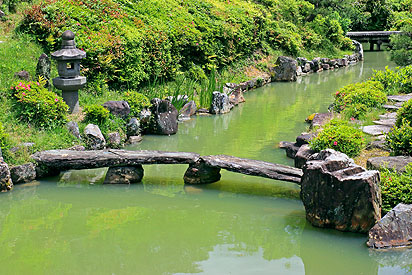
Bridges
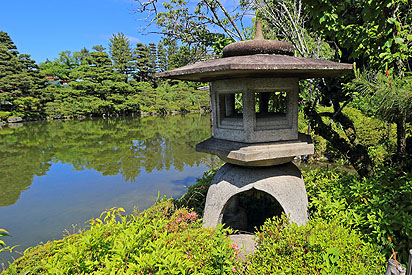
Stone Lanterns
3. Bridges: most of these are stone bridges, depicting journeying from one life to the next world. They look particularly attractive in pond gardens. While some are large covered wooden bridges, others are small and just wide enough for one person at a time to cross over.
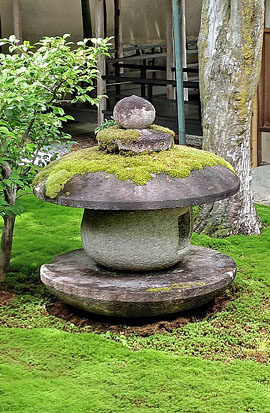
4. Stone Lanterns: they are a common feature we are used to seeing in many gardens. These represent the enlightening character of Buddhism.
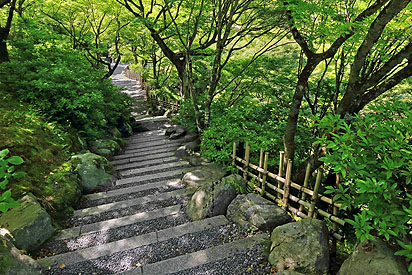
Paths in Stroll Gardens
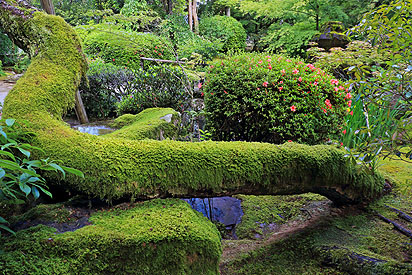
Moss
5. Paths in Stroll Gardens: many larger gardens have beautifully landscaped winding paths for visitors to meander and enjoy the views. Some are paved with stepping stones and stairs. Many gardens also include paths that cut through woodland areas to contrast with open spaces.
6. Moss: seems like an unlikely item. Yet, it is an integral part of horticultural design. It represents modesty and simple beauty. Saihoji Temple’s Moss Garden is the largest and most famous (unfortunately, I didn’t get to visit).
Gravel
Stone Water Basins
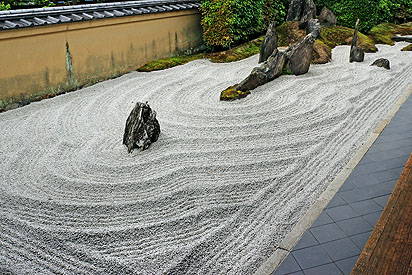
7. Gravel: a vital element in the aesthetics of Zen (rock/dry) Gardens. Symbolising water, artists expertly rake the garden's gravel to mimic oceans and waves. It is meant to create a calm atmosphere that can relax one’s mind.
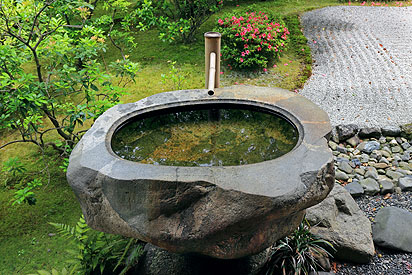
8. Stone Water Basins: this is also an inherent feature in temples as well as shrine gardens. Washing your hands before entering a premises is an essential purification ritual.
Tea Houses
Koi (Carp fish)
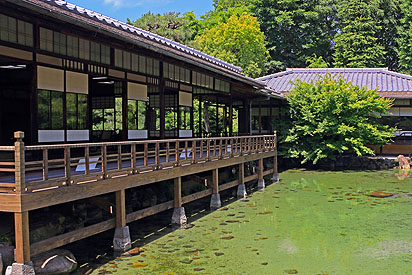
9. Tea Houses (chashitsu): tea ceremonies are a tradition that also goes back centuries. Many gardens have Tea Houses to accommodate this practice. The buildings are simply designed to reflect respect, harmony with their surroundings, and project tranquillity. Sliding screens in the building are often painted with scenes depicting the history and nature
of its location.
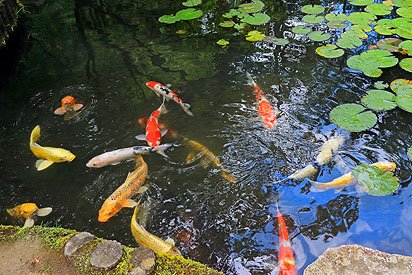
10. Koi (Carp fish): temple lakes and ponds usually have large colourful fish. These ornamental koi are purely to enhance the beauty of the place.
It is also a symbol of prosperity.
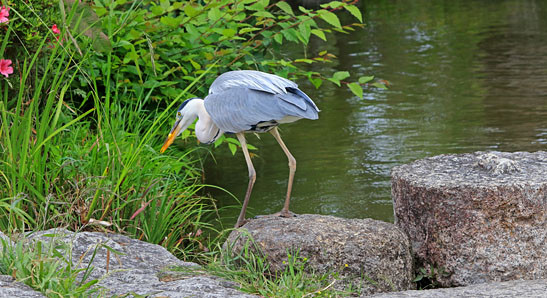
Although not a key element whatsoever, I found one or two Herons in every garden I visited, which enhanced the peaceful nature.
____________________________________________________________________________________________________________________________
Here are a few excellent places I recommend. Even if you’re on a short stay, do try to visit at least a couple - you will not be disappointed. It says more about Kyoto than the usual tourist trail. Most visitors are aware of the ‘rules’ pertaining to entering religious sites. As a reminder however, ensure you remove shoes, do not speak loudly, and refrain from photographing restricted areas.
Heian-jingu Shrine - Shinto Garden
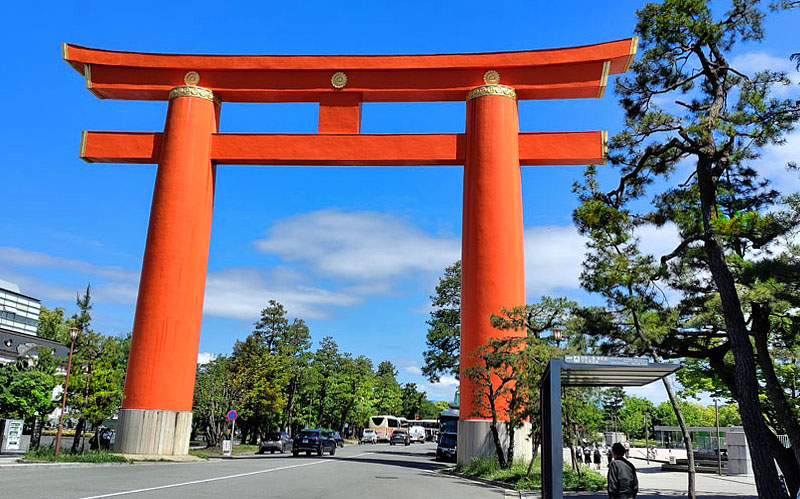
A giant vermilion Torii gate that spans across the main road leads you onto the complex, from which to access the garden. It is a stroll-style garden. Meaning ‘Garden of the Gods’, this is one of the biggest, yet lesser known. Here, you could spend hours simply absorbing its beauty and calmness. It is divided into four sections that surround
the main shrine hall.
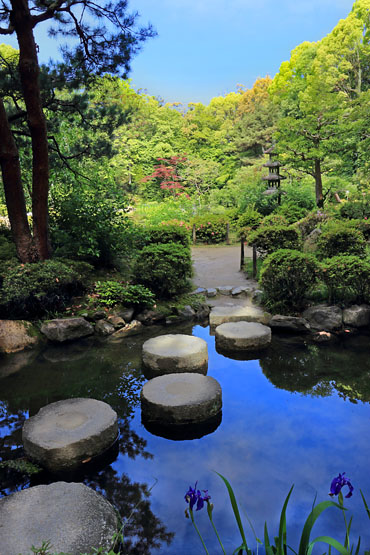
Garyu-kyou Stepping Stones
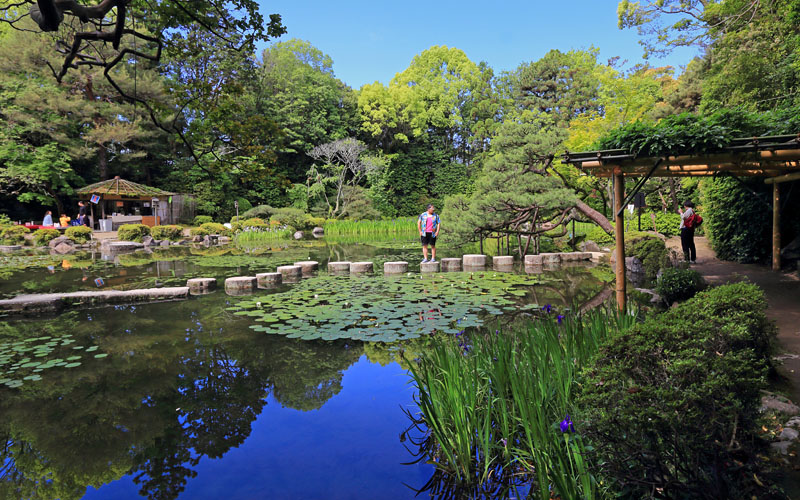
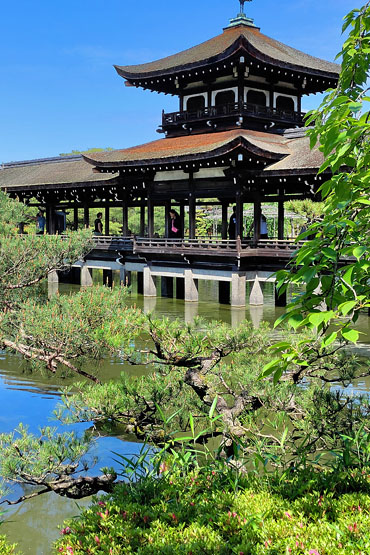
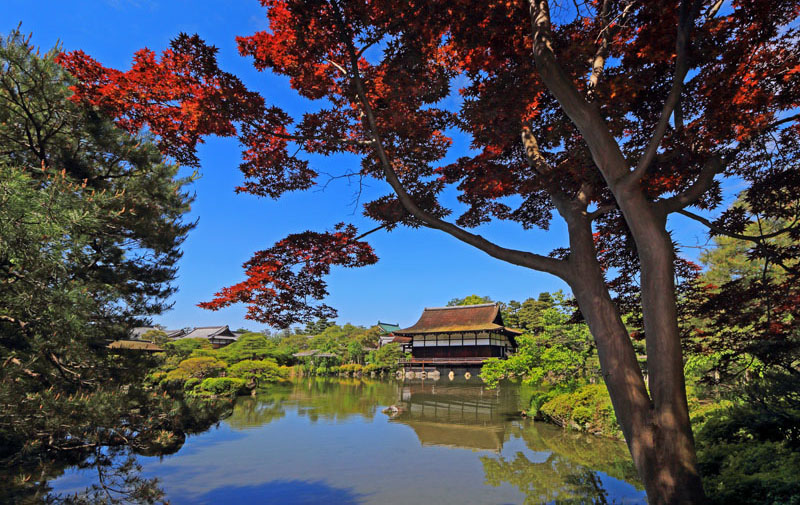
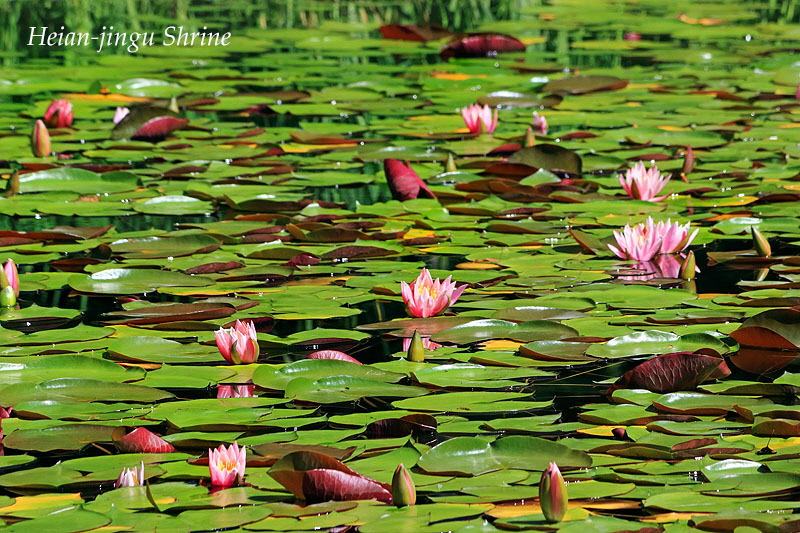
You begin at The Minami (South) Garden. Landscaped with little ponds, stone lanterns and the pleasant sound of small streams flowing, add to the atmosphere. Some large stepping stones, lead to a small Tea House. Next onto Nishi (West) Garden with its leaning trees and water lily pond. At the Naka (Middle) Garden you can cross the large pond over the Garyu-kyou Stepping Stones. Finally, you enter the Higashi (East) Garden with its huge pond by crossing over the covered wooden Taihei-kaku (Hashidono) Bridge Hall. In the largest of the ponds, the Shobikan (Guest House) building stands alone. Look out for terrapins and koi fish in the pond.
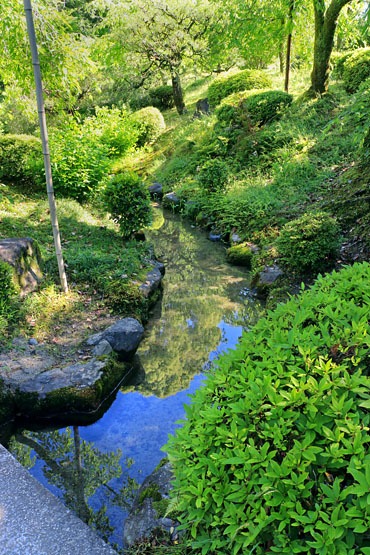
Water lily pond
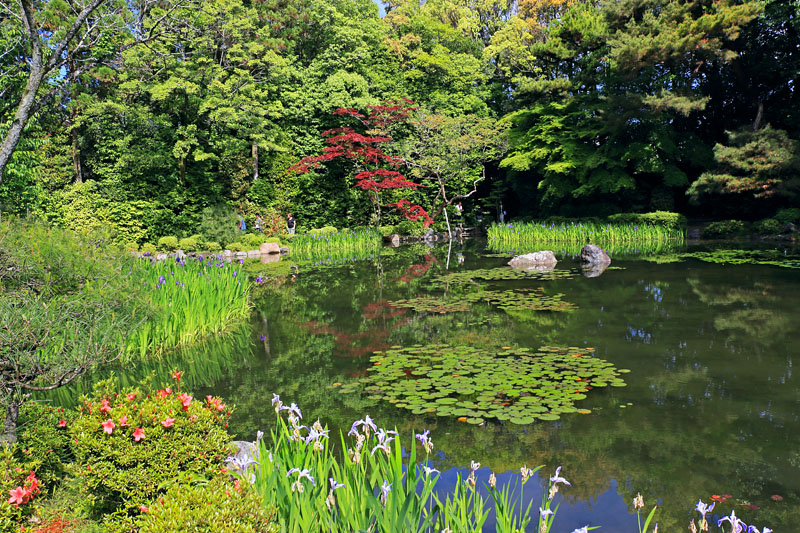
Minami (South) Garden
Tahei-kaku wooden Bridge Hall
Garyu-kyou Stepping Stones
Large lake with Shobikan (Guest House)
___________________________________________________________________________________________________________________________________________
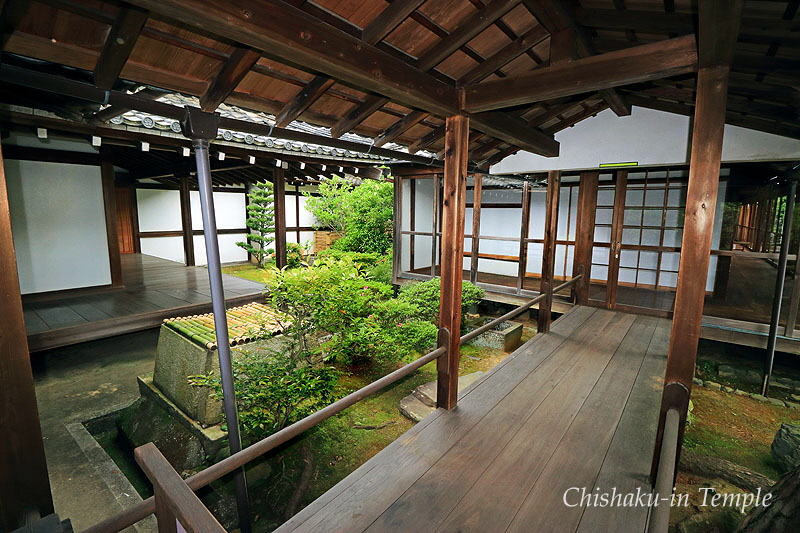
Chishakuin Temple & Gardens
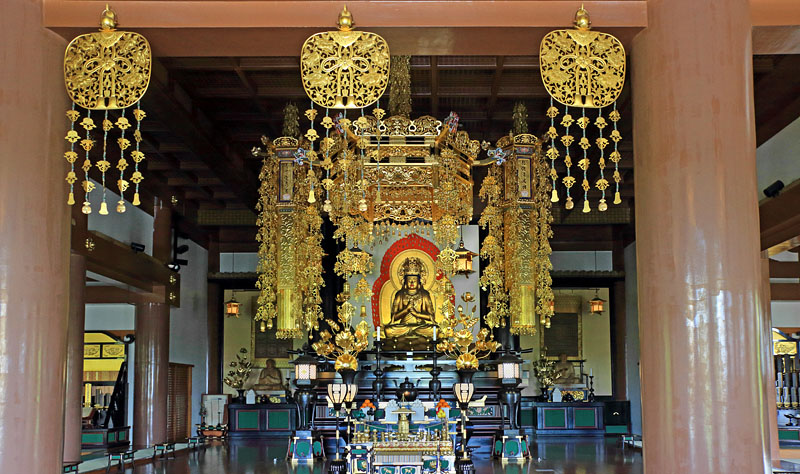
’Cosmic Buddha’ statue in the Hondo
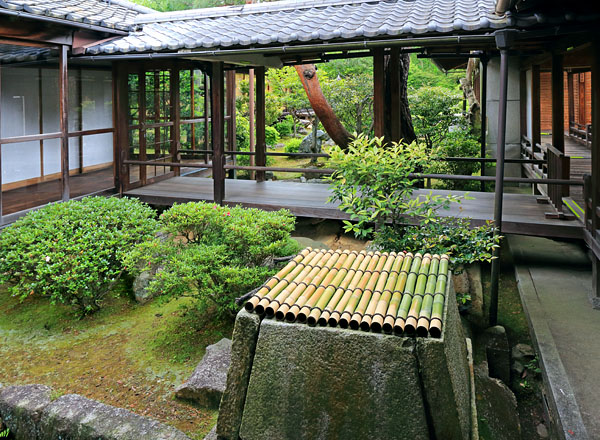
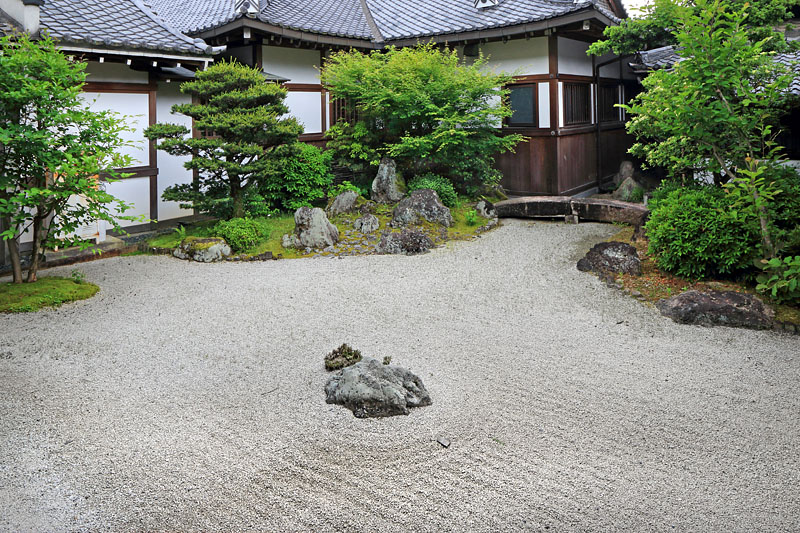
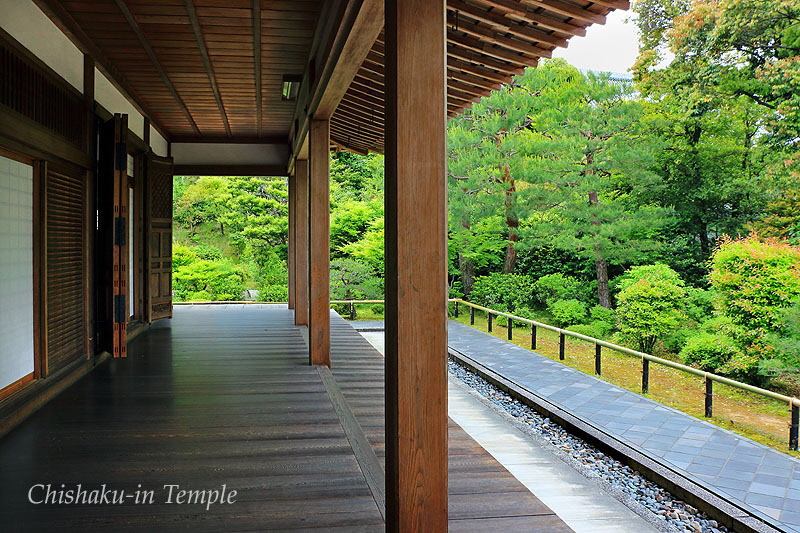
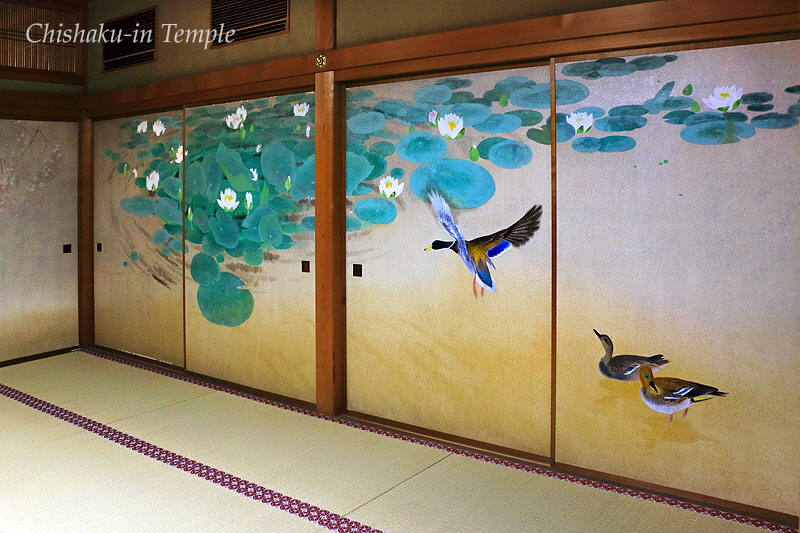
This 16th-century temple has both a small Zen (dry/rock) Garden and an exquisitely landscaped Pond Garden. Enter via the Hondo (main hall of worship). It houses a gold-covered statue of Dainichi Nyorai (also known as the ‘Cosmic Buddha’). Exploring the hondo area are several small gardens with rocks and trees. Walking along the wooden corridors are several rooms containing beautiful paintings on panels and screens. Many of the paintings are by the renowned 16th-century artist Hasegawa Tohaku.
Small gardens surrounding the Hondo
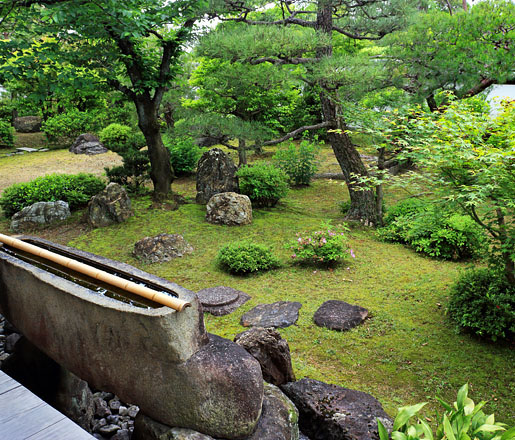
Zen Garden
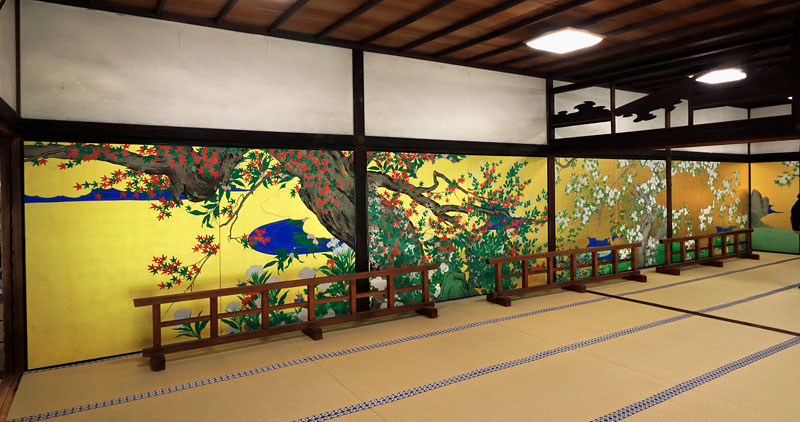
Painted screens in the Hondo
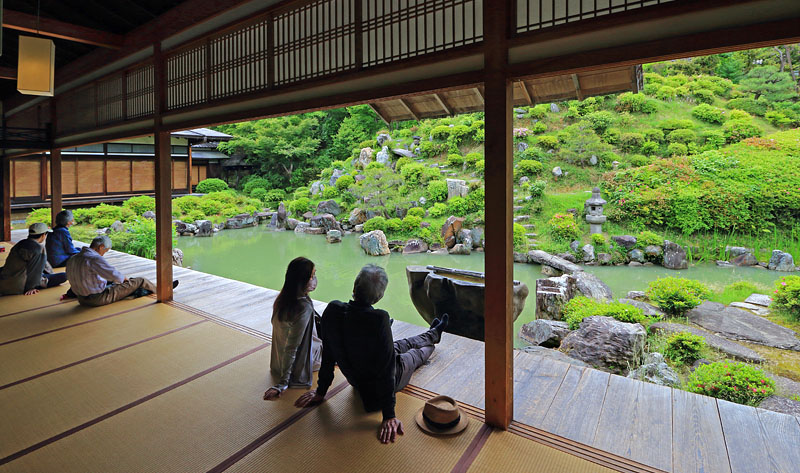
Moving on to the Kodo Hall you come to face the gorgeous long narrow Pond Garden. The unique backdrop is built as a hill with carefully trimmed bushes, plants, rocks, and in the midst, stone lanterns. A couple of stone bridges across the pond connect with the hillside landscape. It has been praised as one of the best in Kyoto. I spotted a few people sitting on the floor just admiring the view and had to join them in quiet moments. Unmissable beauty.
Pond Garden
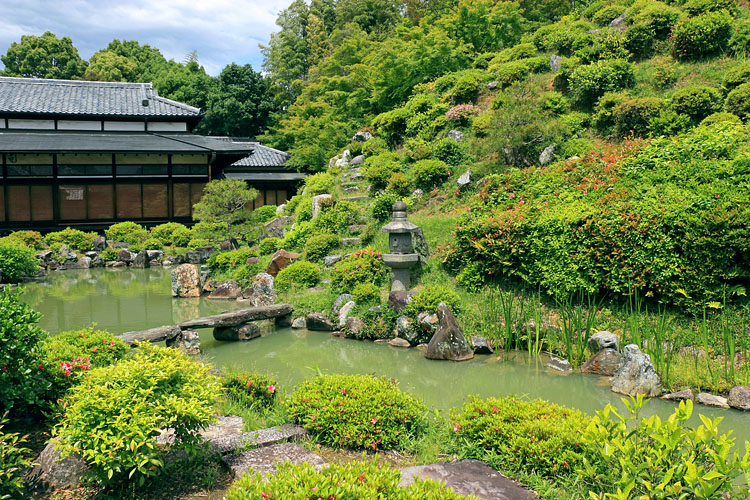
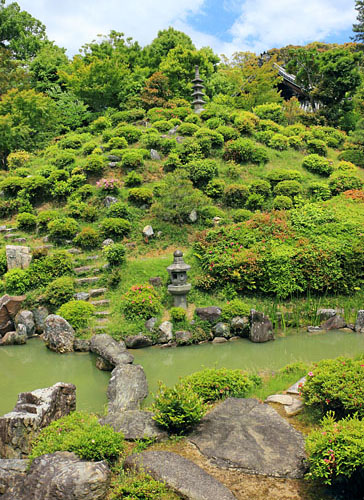
Sit for a while and admire the view
___________________________________________________________________________________________________________________________________________
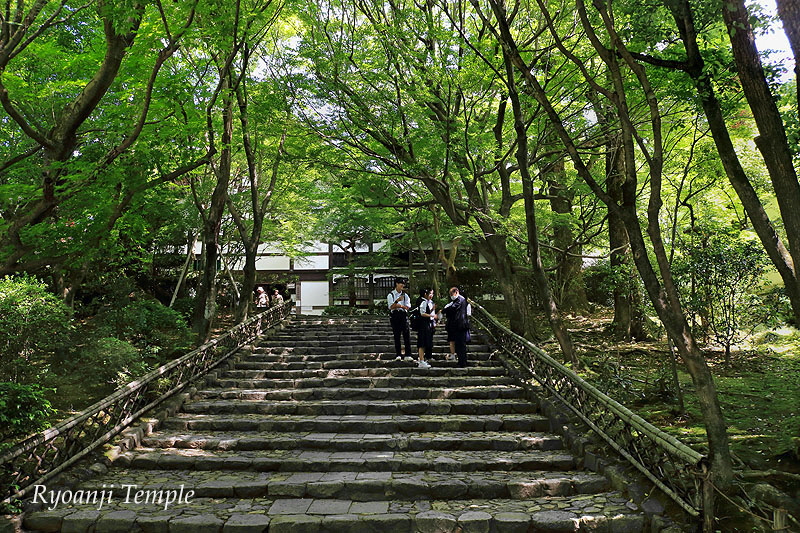
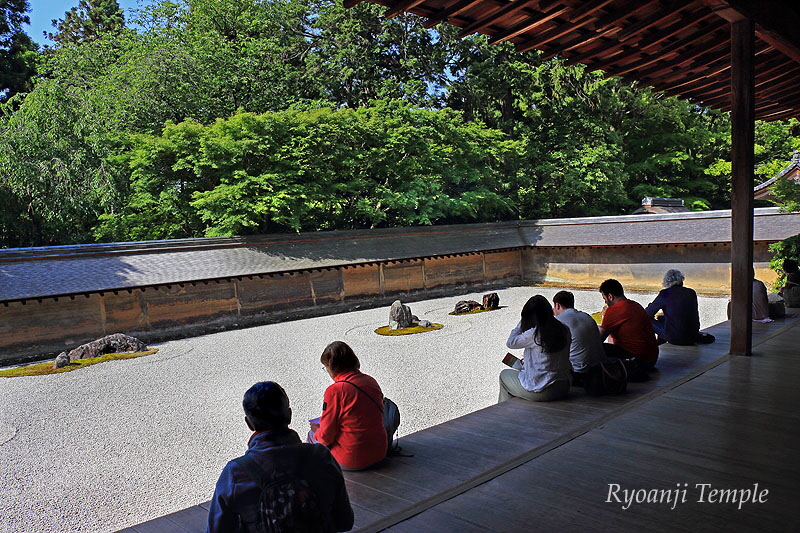
Ryoanji Temple Zen Garden
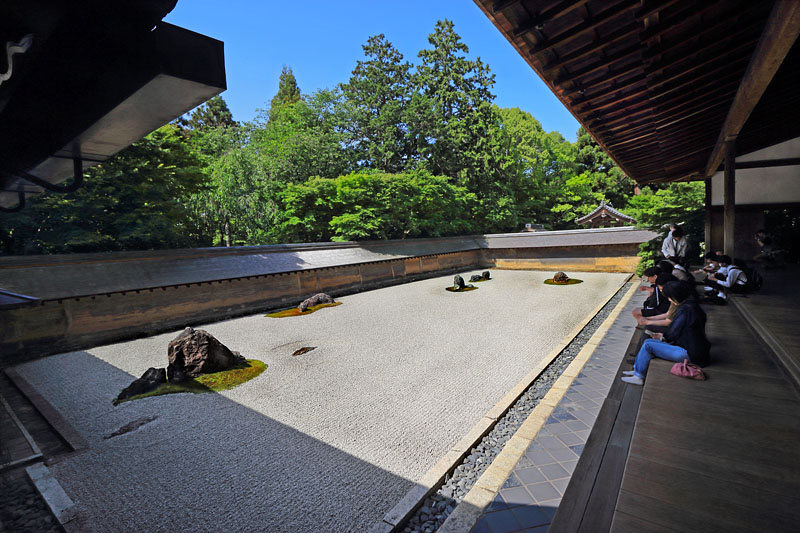
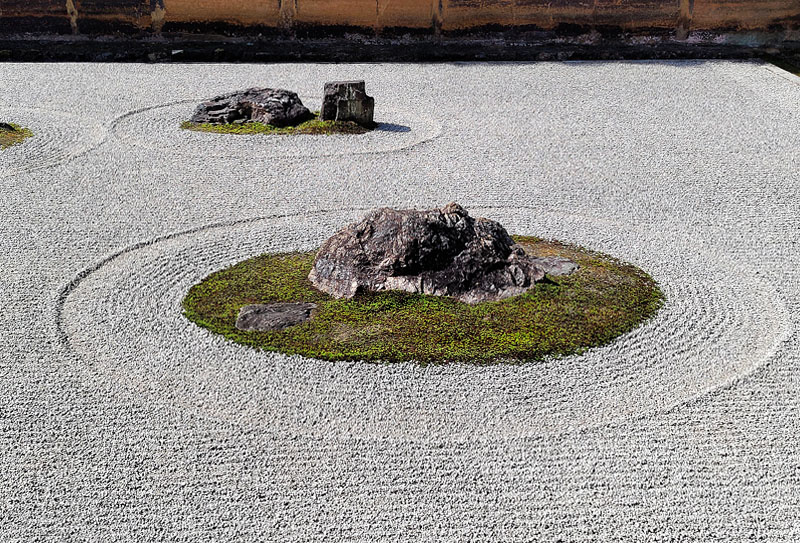
This ancient temple became a UNESCO World Heritage Site in 1994. Also known as ‘Temple of the Dragon at Peace’, its Zen Garden was created around 1500. It is one of the most famous in Japan and is known internationally. The remarkable garden looks deceptively ordinary. The grounds of the rectangular space are beautifully raked in a linear pattern with small smooth light grey pebbles, and fifteen large rocks are carefully placed in its midst. The space around the rocks is raked in a circular design. There are no trees or any other greenery.
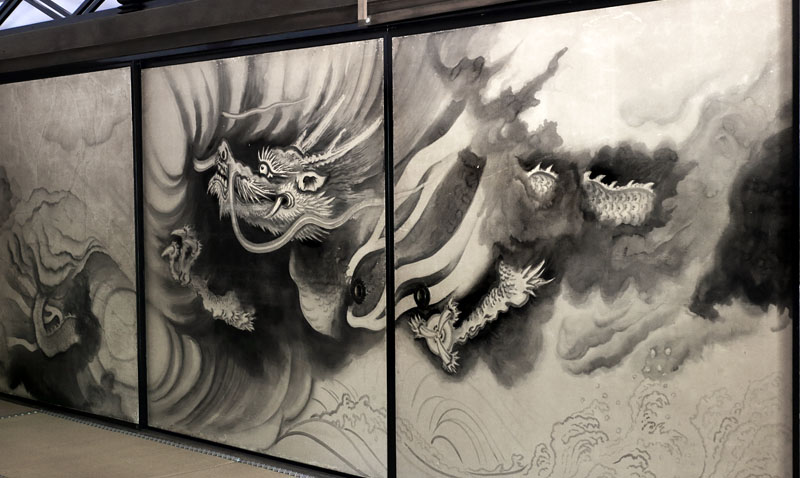
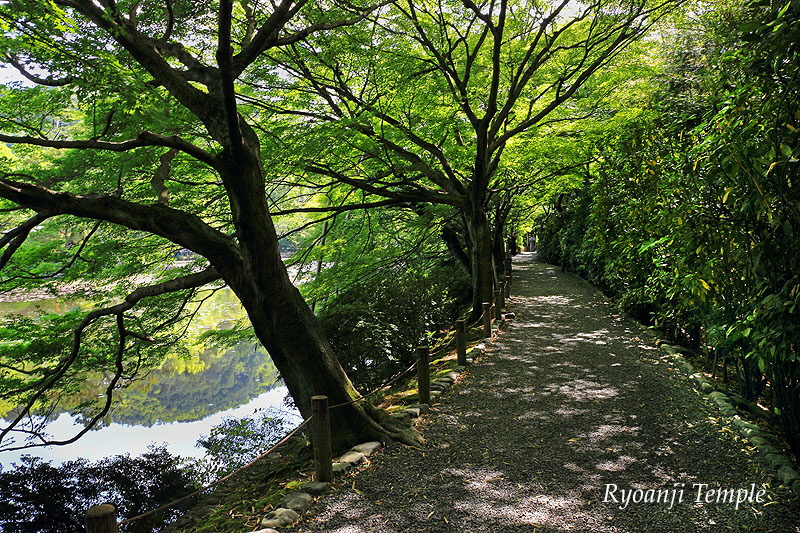
Take time to sit down along the corridors of the Hojo (building of the monk’s quarters) and enjoy the view. Note the ‘Dragon in the Clouds’ black and white ink paintings on the screens of the Hojo as well. Later, take a relaxing stroll around the large Kyoyochi Lake on the temple grounds.
’Dragon in the Clouds’ paintings in the Hojo
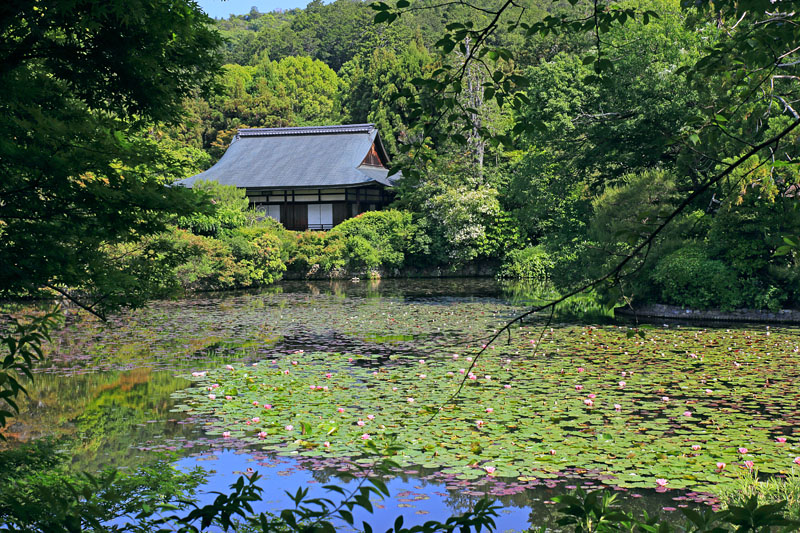
Kyoyochi Lake
____________________________________________________________________________________________________________________________________________
Nanzen-ji Temple Gardens
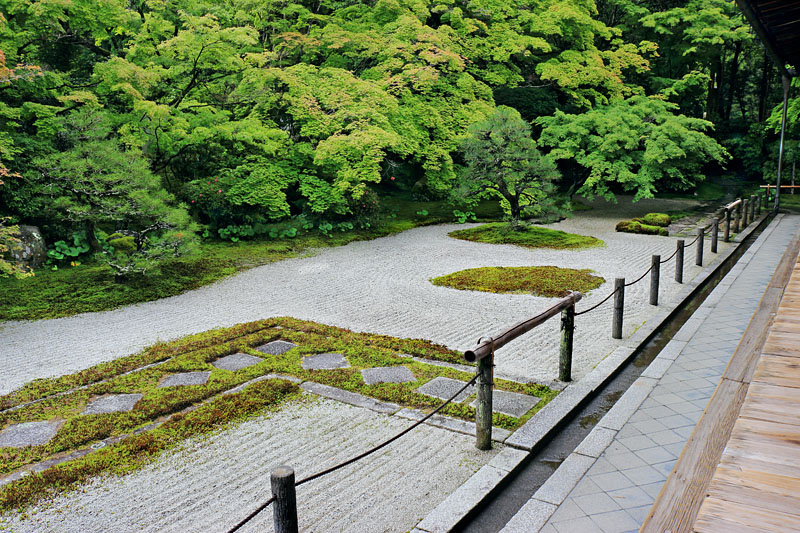
Tenjuan Temple, Dry Garden
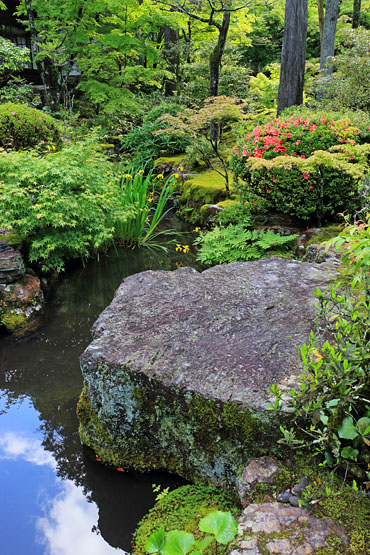
The Nanzen-ji is a large complex with several sub-temples. In particular, the Tenjuan Temple has two gardens that couldn’t be more different. First, you go through a classic Dry Garden. Viewed from the Hojo, it’s a typical excellence of raked gravel with carefully placed moss-covered rocks and paths with lush greenery in the background.
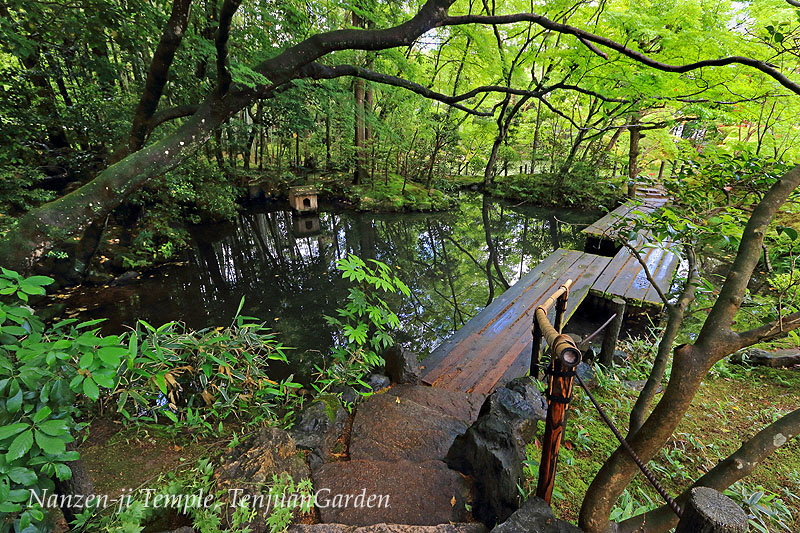
Tenjuan Temple, Pond Garden path
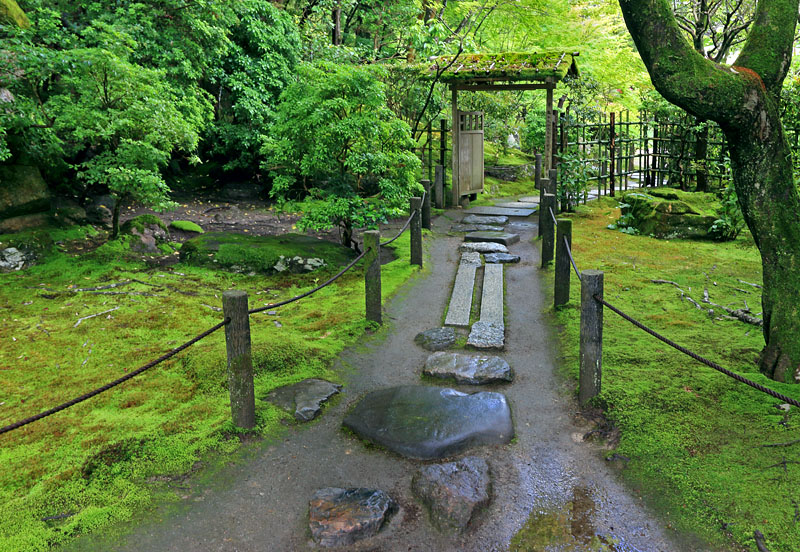
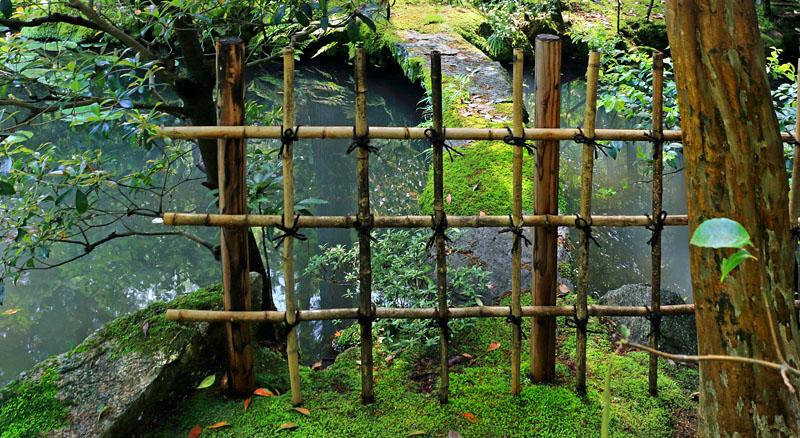
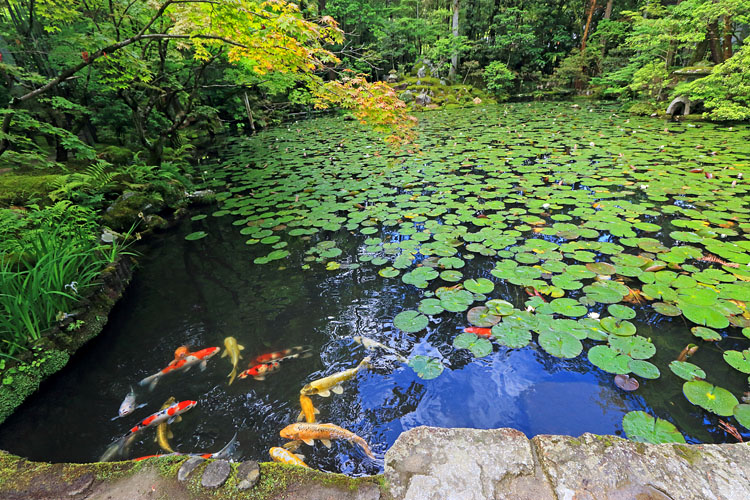
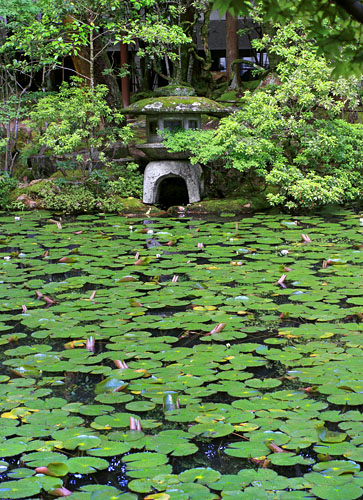
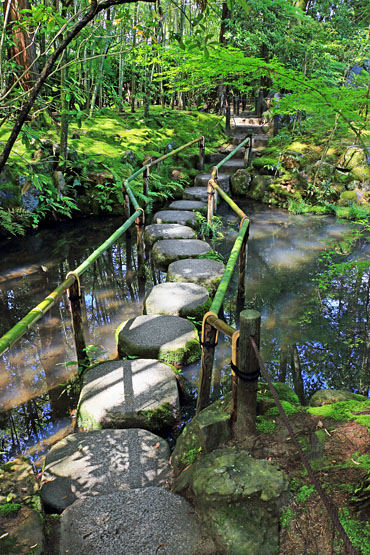
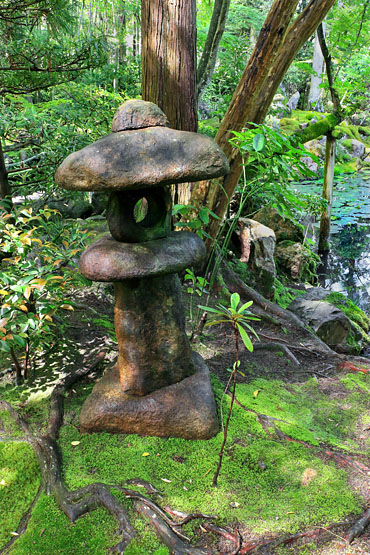
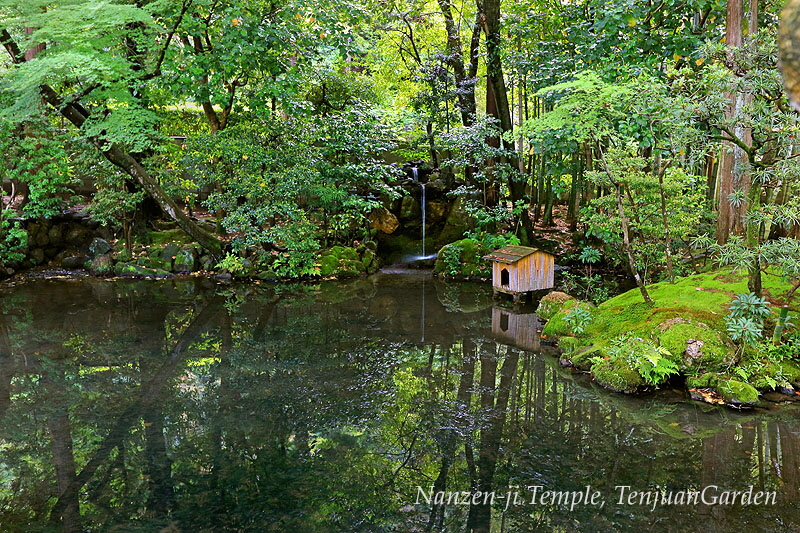
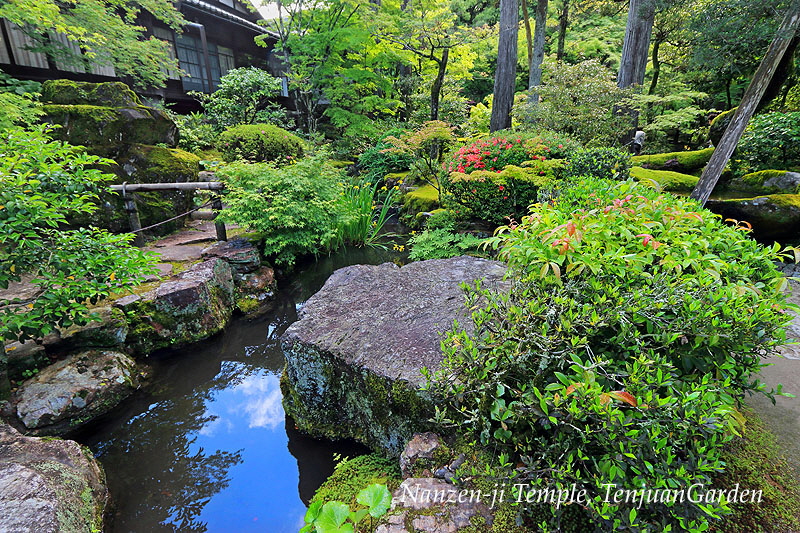
Enter the Pond Garden and it feels like you’ve discovered a secret place. The stunning garden is a gorgeous piece of landscaping and colour. I felt I had the whole area to myself to enjoy. It is teeming with foliage and moss-covered trees. Several stepping stones, stone bridges and stone lanterns add to the beauty. The central feature is the Lily Pond, with colourful koi fish.
Tenjuan Temple, Pond Garden
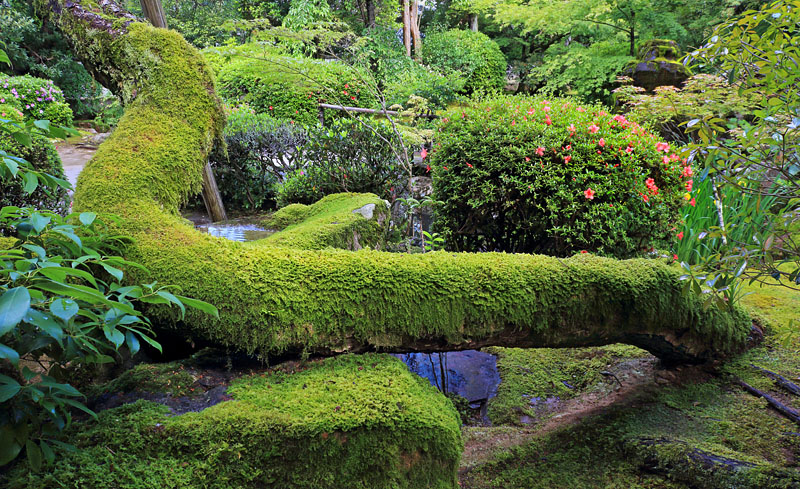
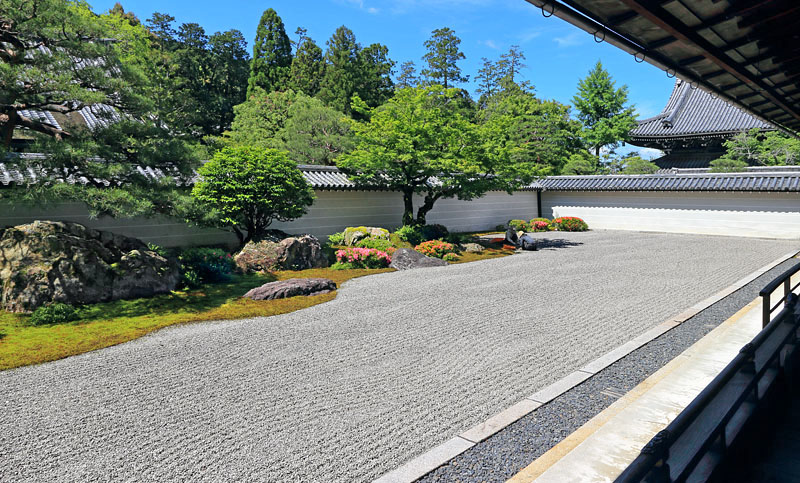
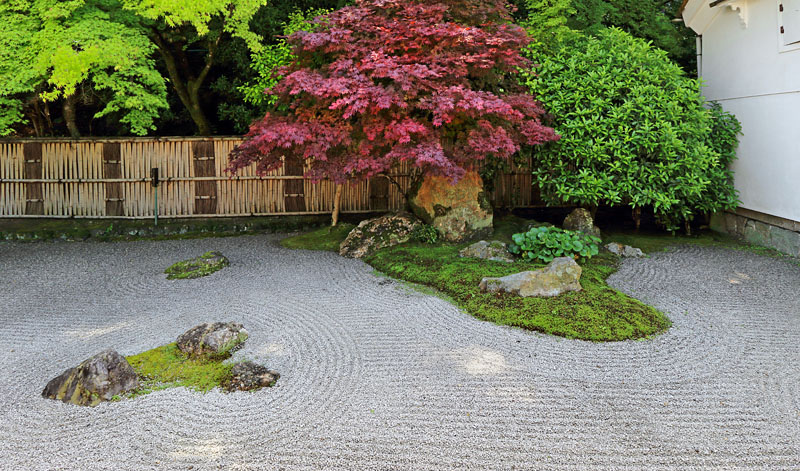
At Nanzen-ji main temple site is the hondo (main hall). Adjacent to it is the classic Karesansui Zen Garden. Its simplicity can be admired by sitting along the hojo’s wooden corridors. The quiet atmosphere feels like an invitation to inner contemplation. The main rectangular shaped garden’s gravel is raked in ‘waves’, with the background of trees, rocks and flower bushes. There are smaller dry garden areas as well raked in a circular fashion around moss and rocks.
Karesansui Zen Garden
____________________________________________________________________________________________________________________________________________
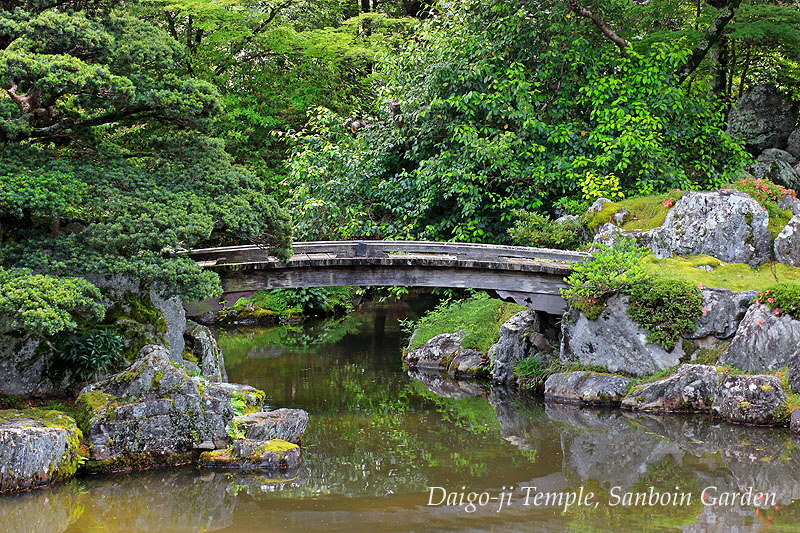
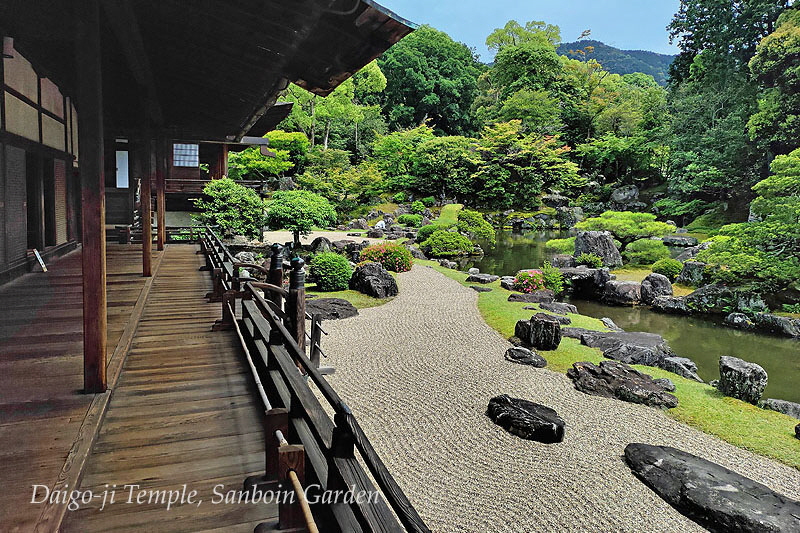
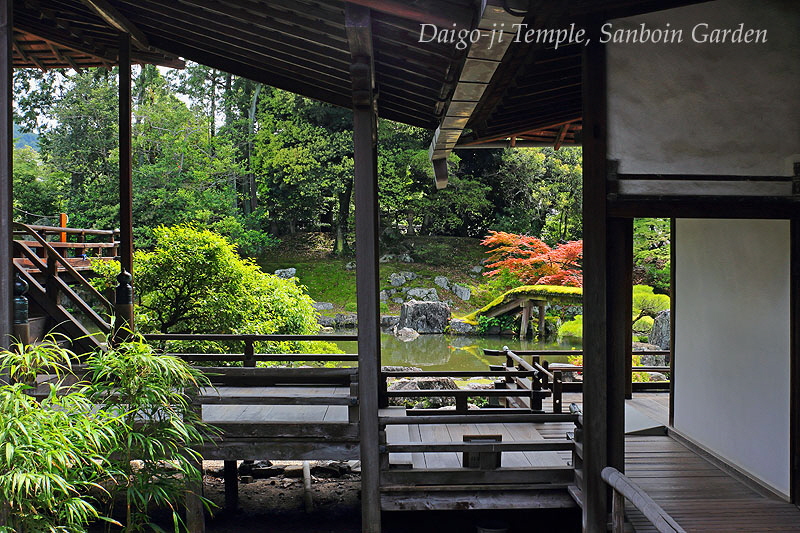
Daigo-ji complex, Sanboin Temple Garden
This early 12th-century complex is one of the largest in Kyoto. Explored in its entirety could take a whole day. I chose to visit part of it, which included the much praised Sanboin Temple Garden. One of the English speaking staff who noticed me taking photos approached and spent a good half hour kindly obliging me with information about the garden and pointing out the significance of the objects.
Small moss garden in the main hall
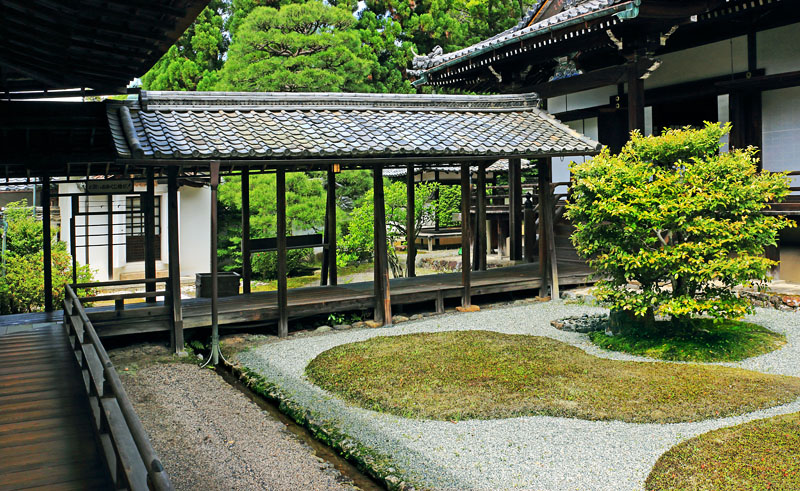
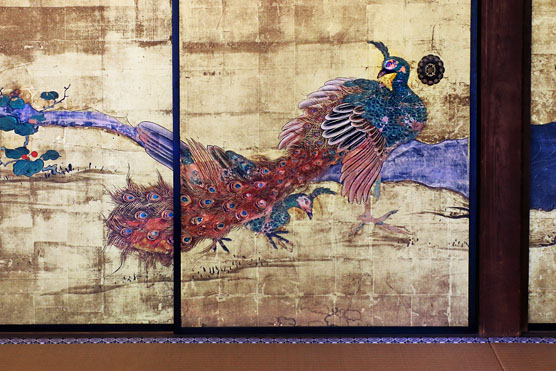
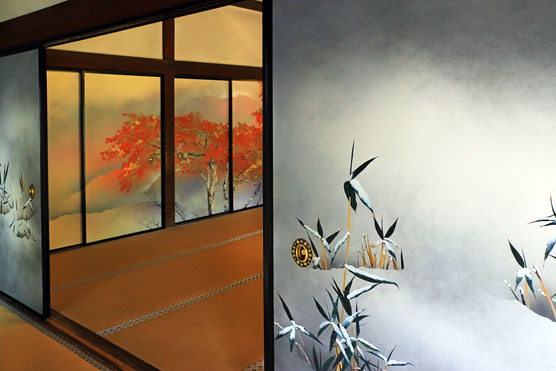
The entrance is through the main hall (Hondo) past a small garden designed entirely of white sand and moss. Onto the Junjokan building with its wonderful screen paintings of cherry blossom trees, and peacock images. From here is the perfect view of the pond and dry garden.
Screen paintings in the Junjokan building
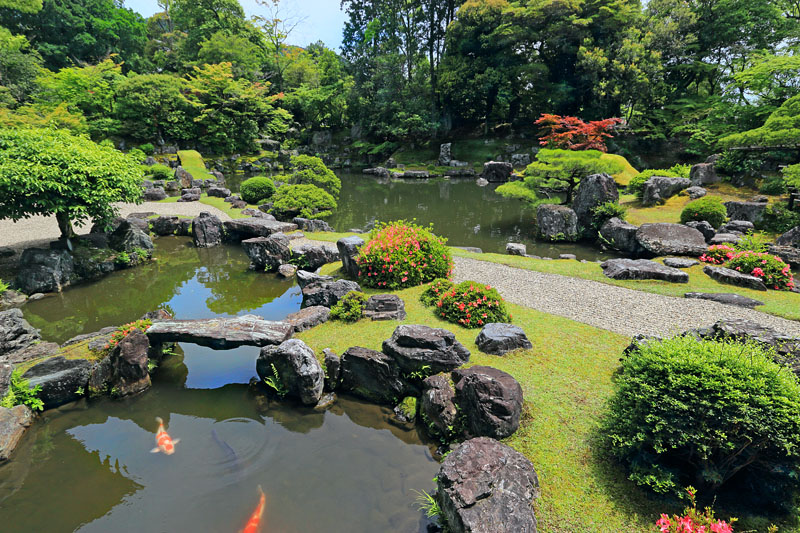
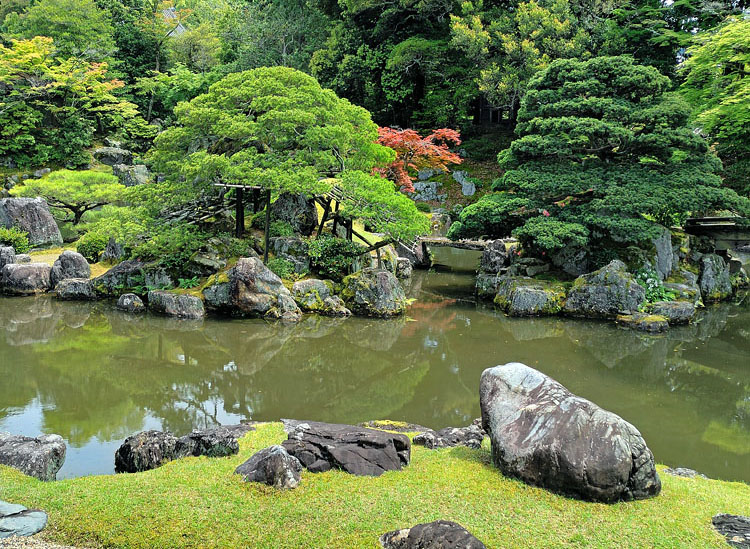
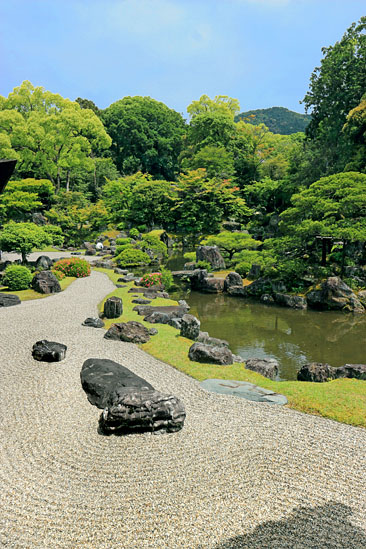
Spread over the raked gravel, paths, pond, small waterfall and beyond are several hundred carefully placed rocks and large stones - many dating back centuries. In the middle of the pool are two little islands named Turtle and Crane Islands, which are connected by a small stone bridge. On one is a 500 year old pine tree with branches spread that looks like a turtle shell, representing ‘silence’. The other resembles the neck of a Crane ready to take flight representing ‘dynamism’. Both are rather difficult to spot unless pointed out. Stone bridges, a moss-covered bridge over the pond, and colourful koi fish swimming about add to the serenity of the place.
___________________________________________________________________________________________________________________________________________
Kennen-ji Temple and Gardens
Located in the popular and crowded Gion district, I was pleasantly surprised by how quiet it was early morning. Built in the early 13th century, it is the oldest Zen Temple in Kyoto.
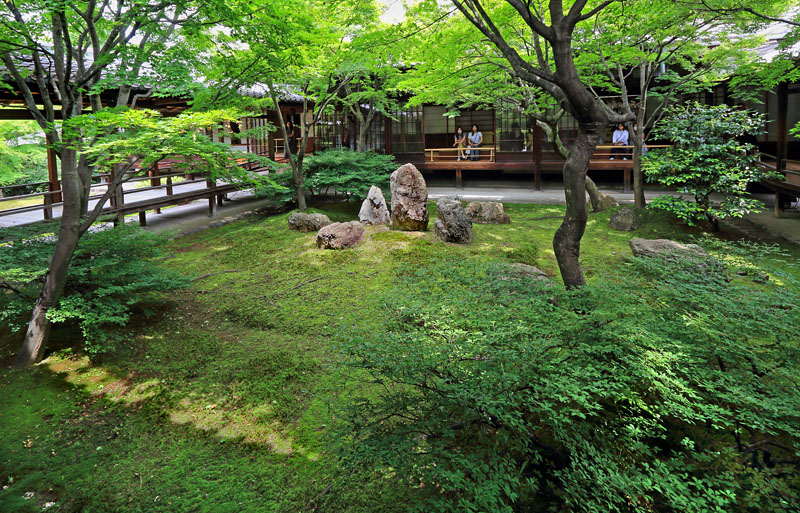
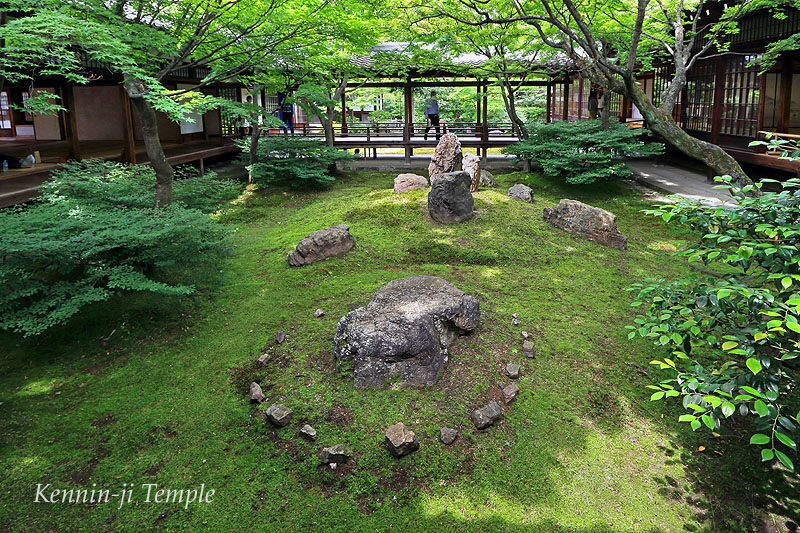
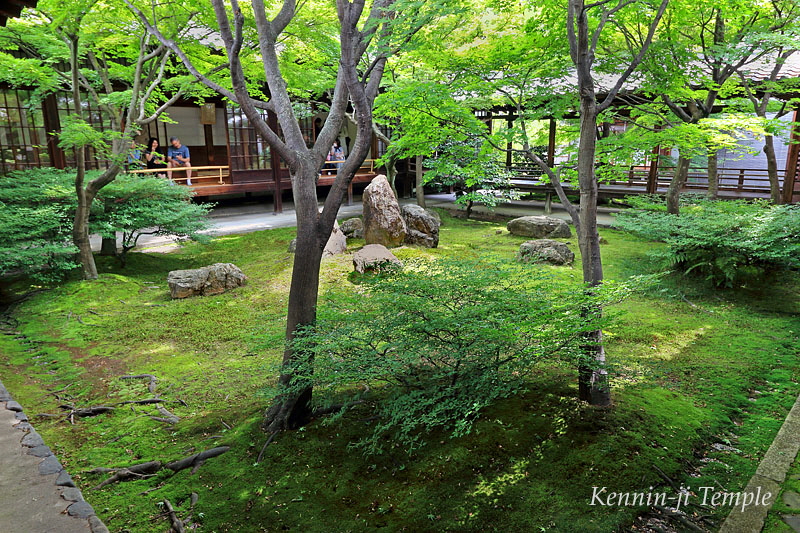
Cho-en tei Rock Garden
There are two gardens here. The square-shaped Cho-on tei Rock Garden can be viewed from all four courtyard sides of Hojo corridors, with some seating also provided. It is a very green space with deep moss-covered grounds and maple trees. Three rocks are placed in the centre, representing the Buddha and two disciple monks.
In another part of the Hojo is the Daioen Dry Garden. Waves of perfectly raked sand depict the sea, and the rocks symbolise mountains or islands. It’s a perfect spot to sit and meditate. Note the small ‘Circle-Triangle-Square’ Garden, with a solitary tree. The symbols say that all things in this universe can be illustrated by these three forms.
Daioen Rock Garden
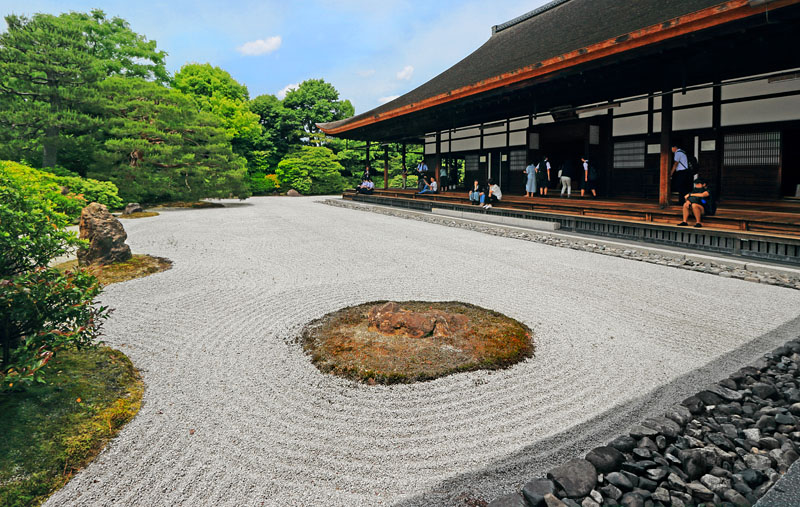
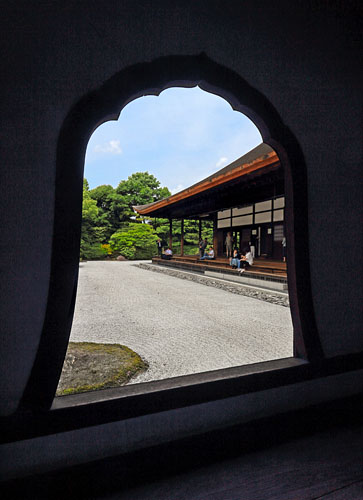
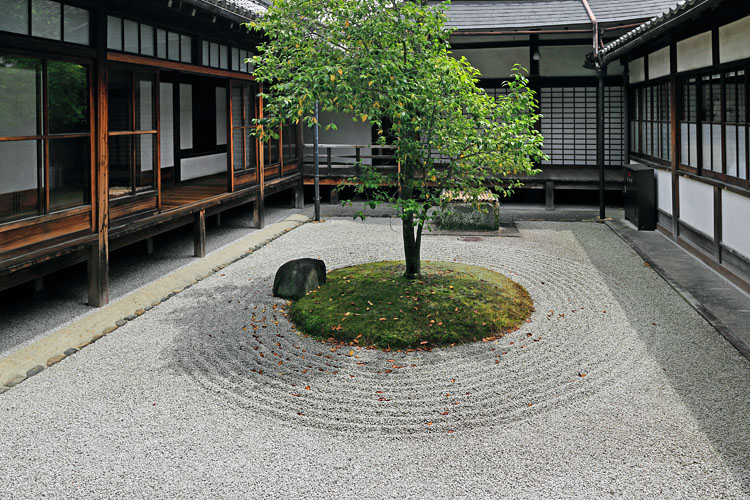
’Circle-Triangle-Square’ Garden
____________________________________________________________________________________________________________________________________________
Daitokuji Temple site and Gardens
Daitokuji is a vast walled temple site and monastery.
It also has 22 sub-temples, although most are not open to the public. I learnt that it is one of the best places to appreciate Zen architecture and culture. Trying to see too many gardens at one site can blur into monotony. Therefore I selected to explore just three temples leisurely.
Zuiho-in Temple
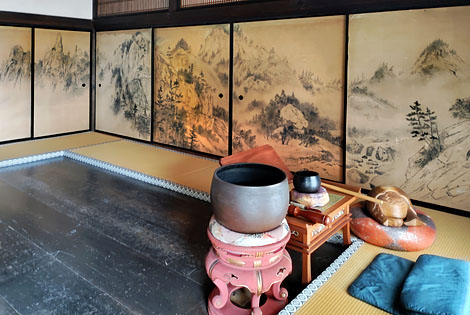
The main garden’s sand is vigorously raked giving the impression of rough sea waves. Both flat and pointed rocks are placed to reflect calm and energetic impressions. To admire the view, sit along the verandah of the Hojo, with rooms that have lovely painted screens.
Zuiho-in, painted screens in Hojo
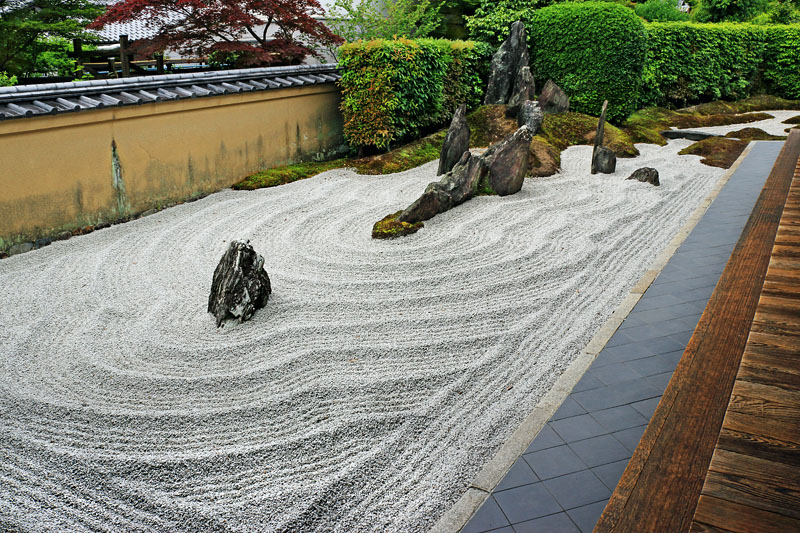
Zuiho-in Temple Garden
Kohrin-in Temple
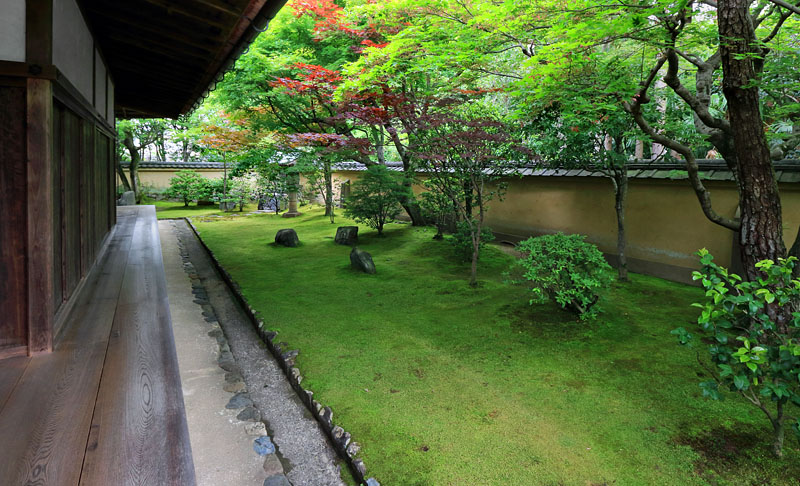
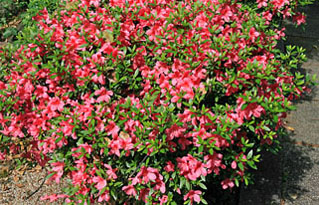
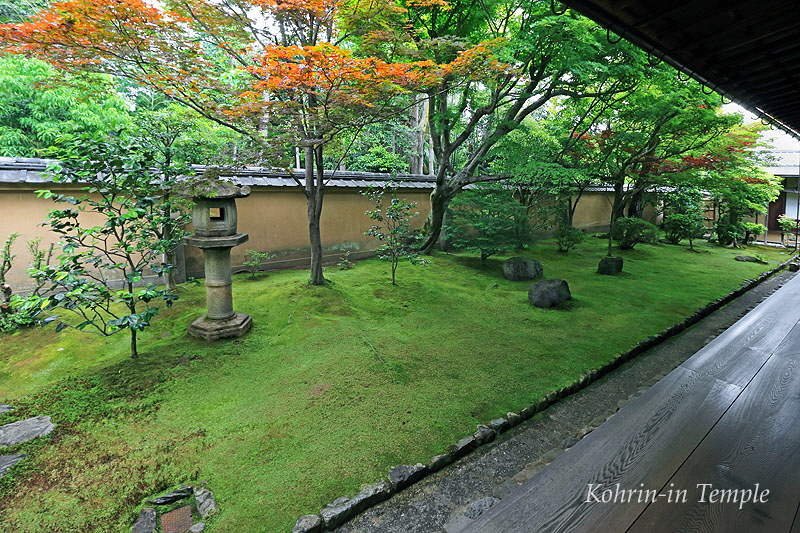
Next door to Zuiho-in, this temple has both a large dry garden, as well as a smaller moss garden. The dry garden is especially beautiful with its raked gravel, rocks, azalea bushes and shrubs. Take time to wander around the main building which has small ponds, and stone lanterns and also walk among the strolling paths.
Kohrin-in Dry Garden
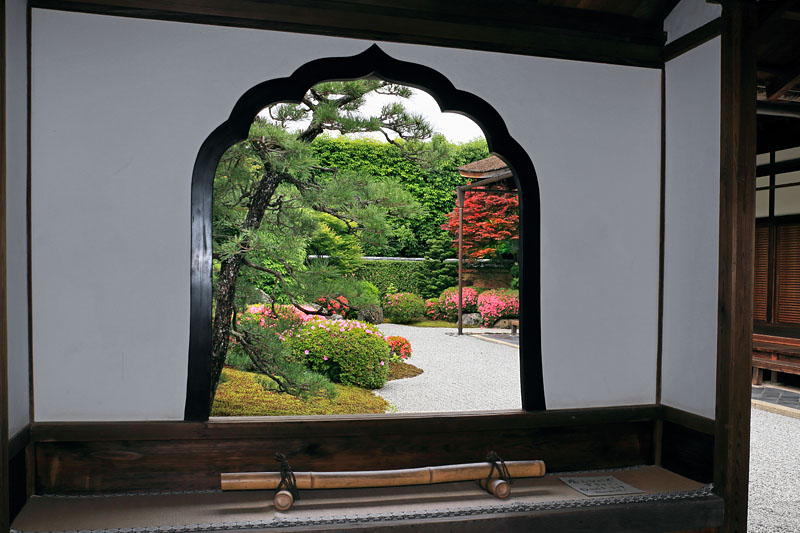
Kohrin-in Moss Garden
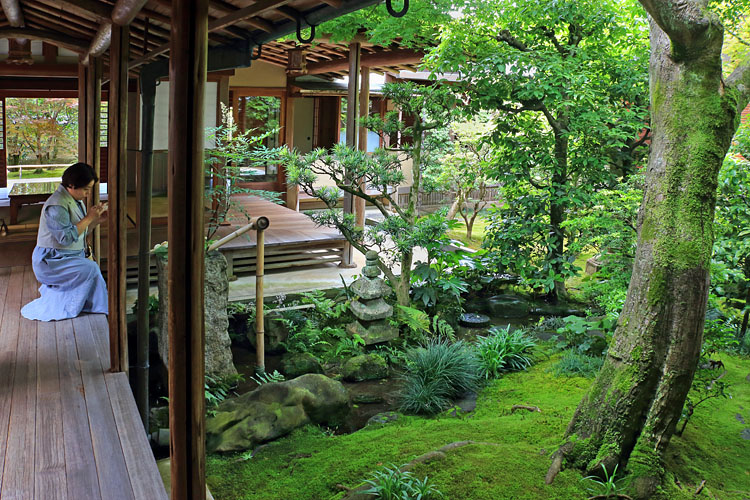
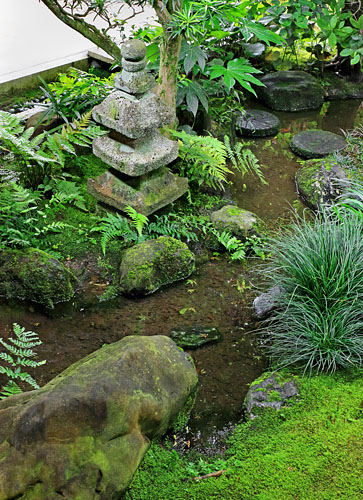
Kohrin-in Temple, gardens around the main buildimg, and small pond
Obai-in Temple
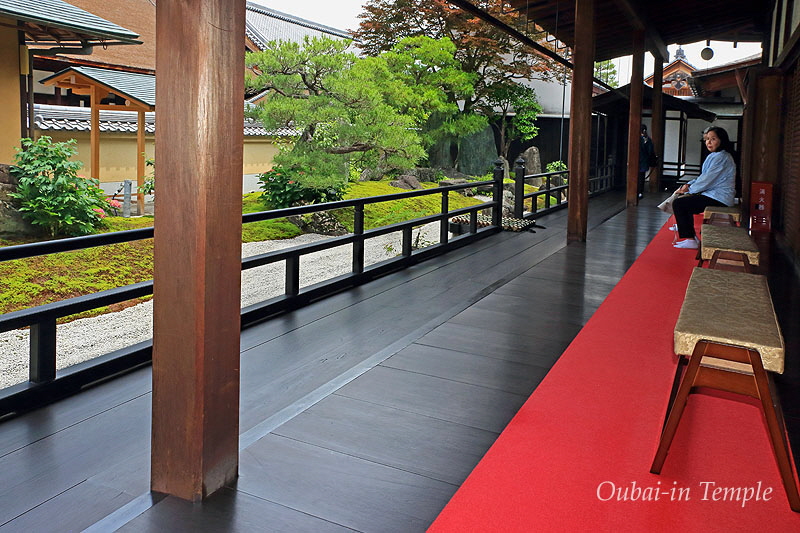
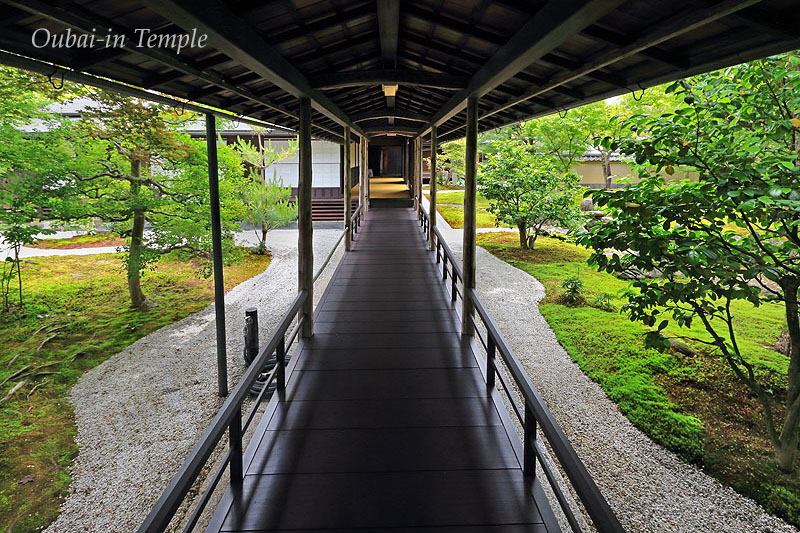
I was lucky to visit this ‘secret’ temple, as it is only open during specific periods. It has one of the best designed and beautiful gardens. On one side of the red-carpeted hondo with seating, is the perfectly straight Hatou-Tei raked garden. There are also paths with trees and flora to stroll about and explore. Walking around the Hondo are several other smaller gardens with stone lanterns and purification wash basins. Scenically, it’s one of the prettiest I visited.
Obai-in Temple, Hatou-Tei raked garden
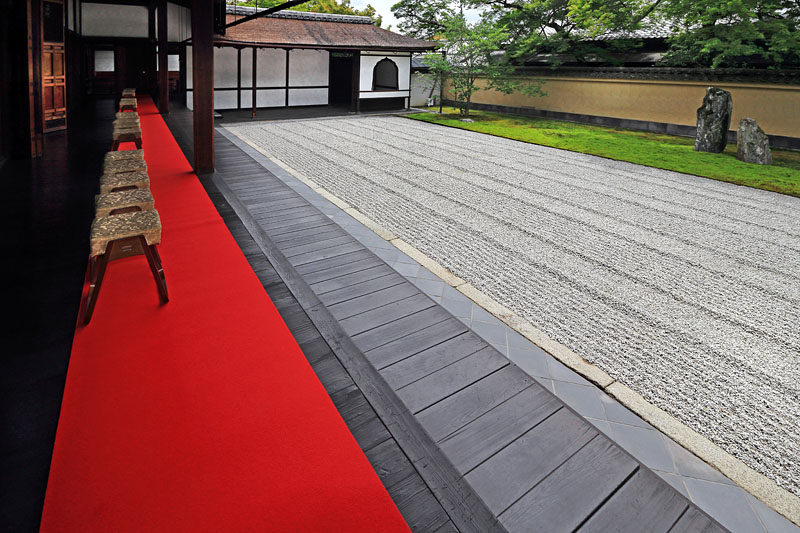
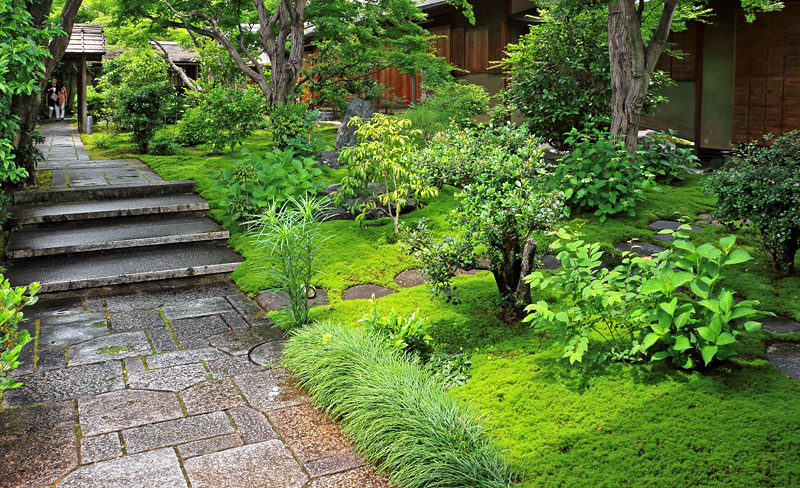
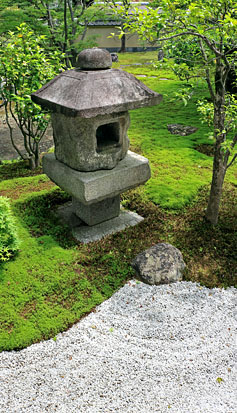
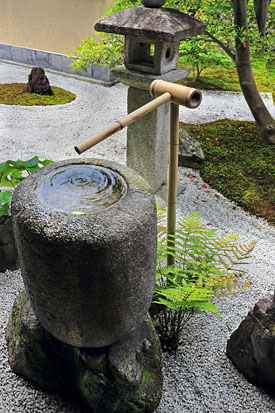
Obai-in Temple gardens - one of the prettiest I’ve visited
____________________________________________________________________________________________________________________________________________
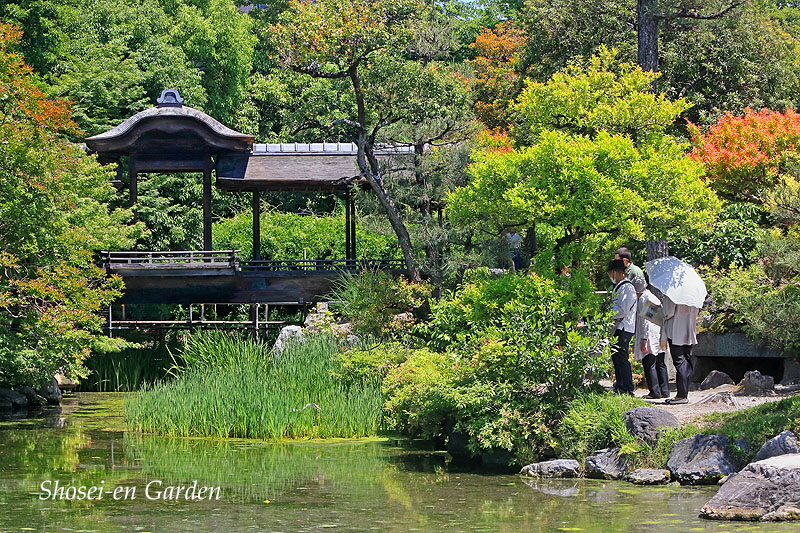
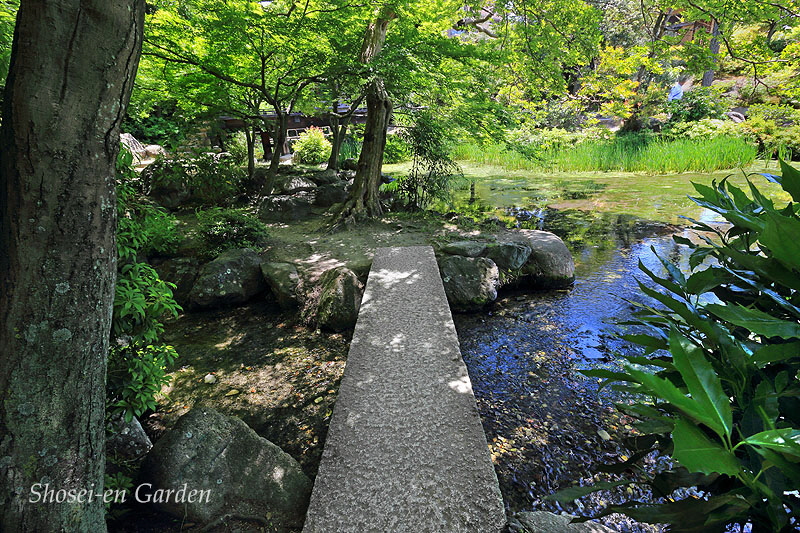
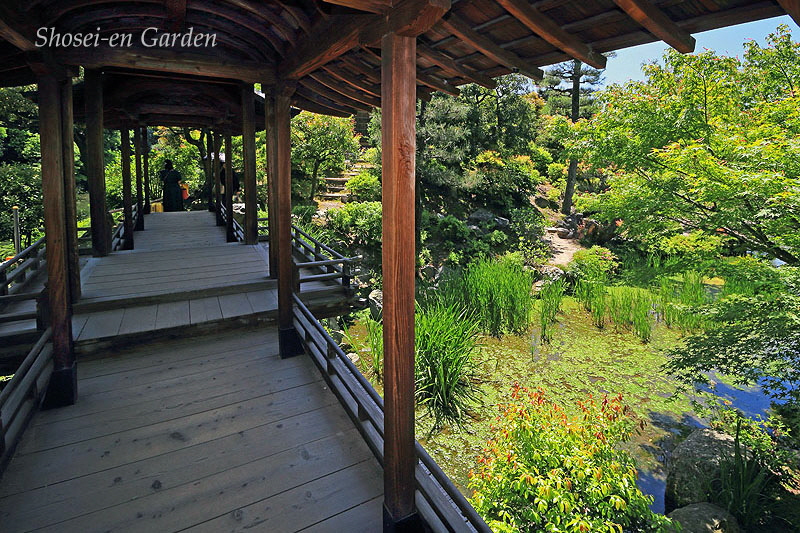
Shosei-en Garden
A ‘hidden gem’ it is, and is right in the heart of the city close to the main rail station, and is often missed. The garden is part of the Nishi Hongwan-ji Temple but is located a few streets east of the temple site. It is gorgeously cultivated to include flora in every season. You will receive an A4 size glossy brochure detailing its history, and map to help you navigate.
There are lovely strolling paths, some narrow bridges to cross, a large pond, and a Tea House with pond. There are great views from the covered wooden Kaito-ro Bridge and Shinsetsu-kyo Bridge. It is truly a scenic spot in Kyoto.
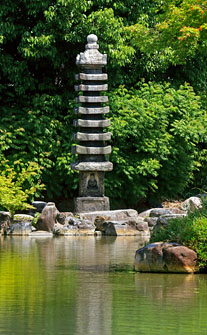
Kaito-ro Bridge
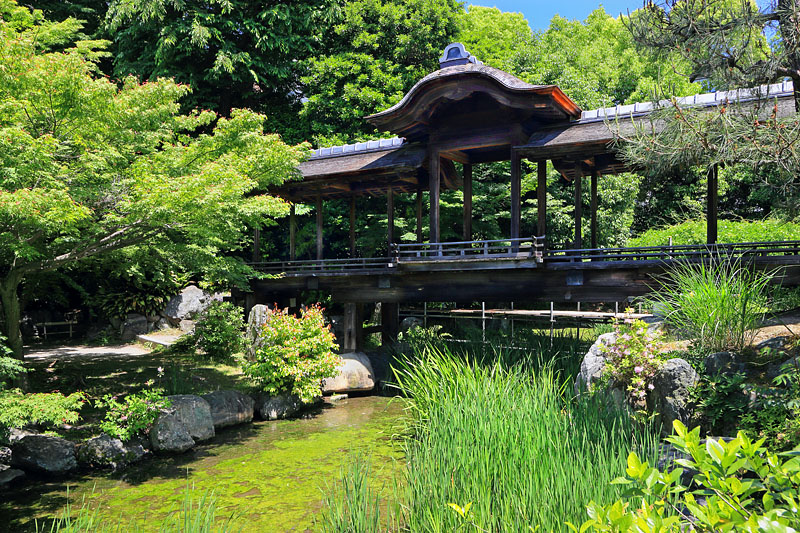
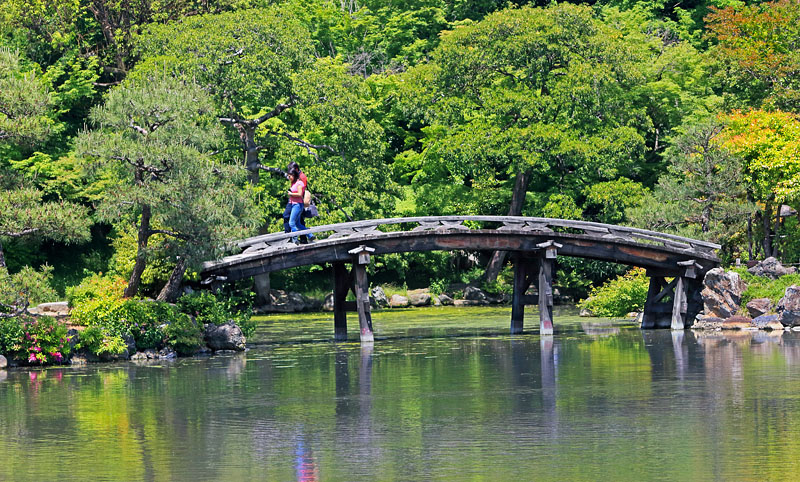
Shinsetsu-kyo Bridge
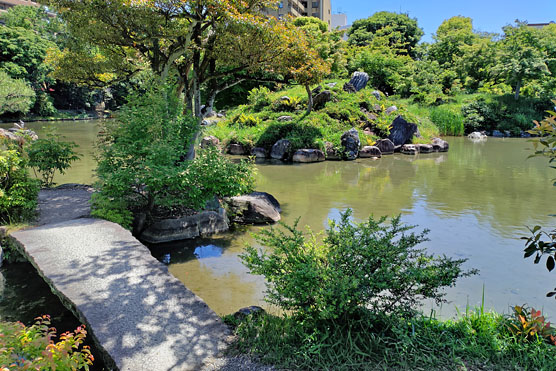
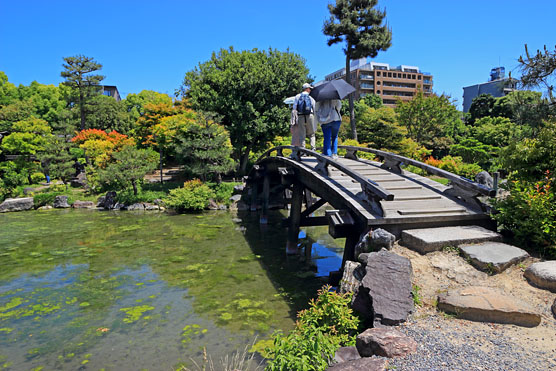
Shinsetsu-kyo Bridge
There are a plethora of beautiful gardens in some of the popular temples too, like Kinkakiji, Tofuku-ji, Ginkakuji and Nijo-jo Castle. Despite visiting them off-season, I still found them quite crowded and did not fully experience that feeling of pure serenity and quietude.
___________________________________________________________________________________________________________________________________________
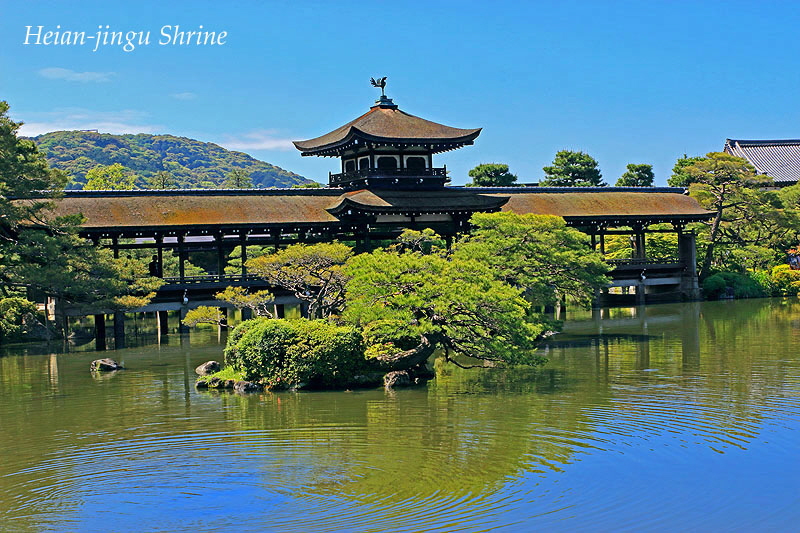
24 images here ©JAYTRAVELPHOTOS
© COPYRIGHT notice. The images on this site are for viewing only.
To purchase any, for personal or commercial use, please contact us at jaytravelphotos@aol.com
___________________________________________________________________________________________________________________________________________